
TrendCrypt News
Why Crypto Companies Prefer Stablecoins
Stablecoins are increasingly becoming the operational foundation for crypto companies as firms prioritize payments, lower volatility, faster settlements, and real-world financial infrastructure.
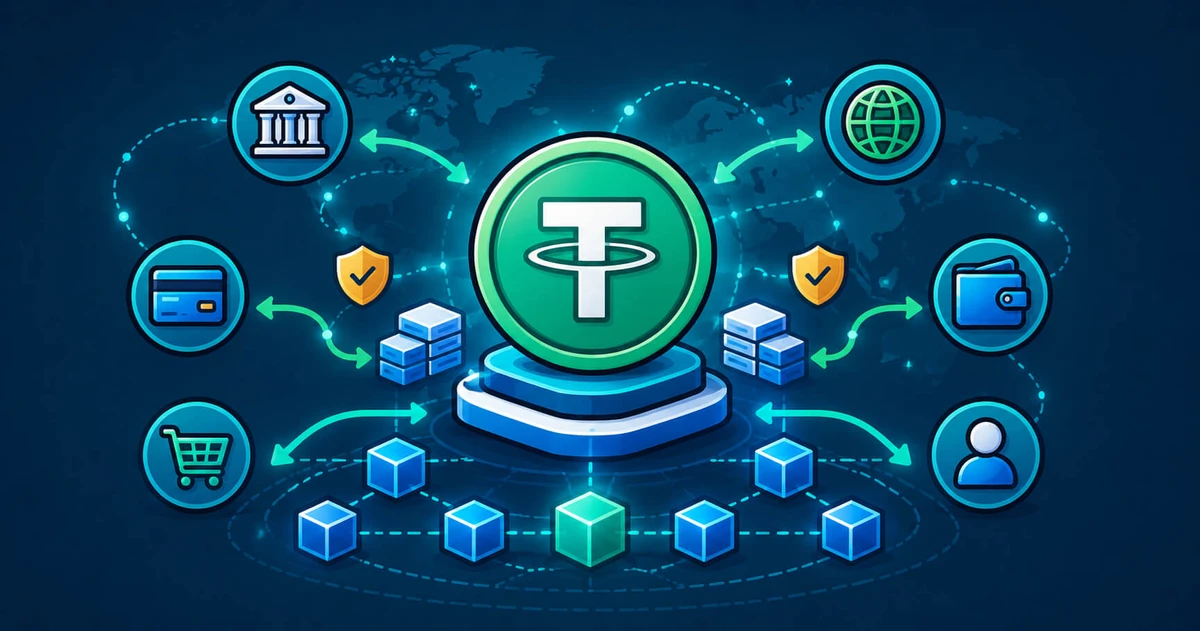
Stablecoins are increasingly becoming the operational backbone of the crypto industry as more companies prioritize faster settlements, lower volatility, and real-world payment infrastructure over speculative assets. While Bitcoin remains the dominant crypto asset by market capitalization and brand recognition, many businesses now rely more heavily on stablecoins for day-to-day operations.
Analysts suggest stablecoins are evolving from simple trading tools into core financial infrastructure across exchanges, payment platforms, crypto casinos, and Web3 applications. Related resources include Why Stablecoins Are Quietly Becoming Crypto’s Biggest Real-World Use Case, Why More Crypto Users Are Choosing USDT Over Bitcoin for Transactions, and Bitcoin vs Stablecoins for Everyday Payments.
Key Takeaways
- Stablecoins are increasingly used for operational infrastructure
- Many crypto companies prefer reduced volatility exposure
- Stablecoins dominate exchange trading liquidity
- Payment-focused crypto businesses increasingly rely on USDT and USDC
- Cross-border settlement demand continues growing
- Regulatory scrutiny around stablecoins is increasing
- Analysts expect stablecoin adoption to expand further in 2026
What Happened
Crypto companies across multiple sectors are increasingly integrating stablecoins into:
- treasury management
- exchange liquidity
- payments
- withdrawals
- settlements
- cross-border transfers
Many businesses now prefer stablecoins because they allow crypto-native operations without constant exposure to large price fluctuations.
How Crypto Companies Use Stablecoins
| Area | Primary Stablecoin Role |
|---|---|
| Payments | Faster and more stable transfers |
| Trading | Primary quote currency across exchanges |
| Treasury Operations | Reduced volatility exposure |
| Cross-Border Transfers | Lower settlement friction |
| Casino & Gaming | Stable deposits and withdrawals |
Historically, Bitcoin functioned as the primary settlement asset across much of the crypto industry. However, stablecoins increasingly dominate transactional activity.
Why It Matters
Stablecoins solve several operational problems for crypto companies.
They generally provide:
- predictable accounting
- lower volatility exposure
- easier pricing structures
- faster global settlements
- simpler payment flows
👉 In practice, stablecoins often function more like digital financial infrastructure than speculative assets.
This trend is particularly important for:
- exchanges
- payment providers
- crypto casinos
- fintech platforms
- Web3 infrastructure companies
Stablecoins vs Bitcoin for Operations
| Feature | Stablecoins | Bitcoin |
|---|---|---|
| Price Stability | High relative stability | High volatility |
| Daily Payments | Common use case | Less practical for spending |
| Treasury Management | Predictable accounting | Volatile reserves |
| Transaction Speed | Depends on network used | Depends on BTC network |
| Risk Profile | Issuer and regulation risks | Market volatility risks |
While Bitcoin remains highly important as a long-term store-of-value asset, stablecoins increasingly dominate operational workflows.
Which Crypto Sectors Depend Most on Stablecoins?
| Sector | Main Stablecoin Use |
|---|---|
| Exchanges | Liquidity and trading pairs |
| Payment Platforms | Settlement infrastructure |
| Crypto Casinos | Deposits and withdrawals |
| Trading Firms | Treasury and liquidity management |
| Web3 Apps | On-chain payments and transfers |
Some analysts believe stablecoins may eventually become one of the most important infrastructure layers in global digital finance.
Market Impact
Stablecoin growth increasingly affects:
- exchange liquidity
- global payments
- crypto gambling platforms
- DeFi infrastructure
- trading settlements
- treasury operations
Many crypto businesses now process significantly more stablecoin volume than Bitcoin transaction volume internally.
Important Context
Stablecoins are designed to maintain relatively stable value by being pegged to assets such as:
- the US dollar
- government bonds
- reserve-backed assets
This creates lower short-term volatility compared to assets like Bitcoin or Ethereum.
👉 Based on current market conditions, many companies prefer operational stability over speculative treasury exposure.
Helpful guides:
Important to Know
Stablecoins Still Carry Risk
Stablecoins are not completely risk-free.
Potential concerns include:
- reserve transparency
- issuer solvency
- depegging events
- liquidity stress
Regulation Is Increasing
Governments globally are increasing scrutiny around:
- stablecoin reserves
- licensing
- payment infrastructure
- anti-money laundering controls
Related article:
Why Regulators Are Paying More Attention to Stablecoins in 2026Bitcoin Still Dominates Brand Recognition
Despite stablecoin growth:
- Bitcoin remains the largest crypto asset
- institutions still accumulate BTC exposure
- many investors view Bitcoin as digital gold
Related article:
Why Institutional Investors Keep Increasing Bitcoin ExposureStablecoin Usage Is Expanding Beyond Trading
Historically, stablecoins were mostly used for:
- exchange trading pairs
- crypto arbitrage
Today they increasingly support:
- payroll systems
- merchant payments
- gambling transfers
- remittances
- treasury operations
Key Risks Around Stablecoin Growth
| Risk | Why It Matters |
|---|---|
| Regulation | Governments increasingly monitoring issuers |
| Centralization | Most stablecoins depend on centralized entities |
| Issuer Risk | Reserves and transparency remain important |
| Network Congestion | Transfers still depend on blockchain conditions |
| Dependency Risk | Crypto markets increasingly rely on stablecoin liquidity |
What Analysts Are Watching
Industry participants are closely monitoring:
- stablecoin regulation
- payment infrastructure growth
- issuer transparency
- cross-border settlement adoption
- integration into mainstream finance
Some analysts believe stablecoins may become one of the most widely adopted crypto technologies globally.
Industry Reaction
Supporters argue stablecoins improve:
- efficiency
- settlement speed
- operational stability
- global accessibility
Critics argue:
- centralization remains a concern
- regulation could reshape the market
- issuer dependence creates systemic risk
The debate increasingly focuses on balancing innovation, transparency, and financial oversight.
What Happens Next
Several factors may shape stablecoin adoption moving forward:
- global regulation
- payment infrastructure demand
- institutional integration
- reserve transparency standards
- competition between issuers
If current trends continue, stablecoins may become even more deeply integrated into global crypto operations throughout 2026 and beyond.
Related Guides
FAQ
Why are crypto companies using stablecoins more?
Mostly because stablecoins reduce volatility and improve operational efficiency.
Are stablecoins replacing Bitcoin?
Not entirely. Bitcoin still dominates as a long-term investment asset, while stablecoins increasingly dominate operational usage.
Why are stablecoins important for payments?
They generally allow faster and more predictable transfers compared to volatile assets.
Do crypto casinos use stablecoins heavily?
Yes. Many crypto casinos rely heavily on USDT and other stablecoins for deposits and withdrawals.
Are stablecoins safe?
They can be useful, but risks still exist around issuers, reserves, and regulation.
Why are regulators focusing on stablecoins?
Because stablecoins increasingly function like large-scale digital payment infrastructure.

Banks Are Realizing Tokenized Deposits May Not Be Enough
Banks are moving deposits onto programmable rails, but interoperability and portability may leave room for stablecoins alongside tokenized bank money.
The UK Is Rethinking How Hard It Should Restrict Stablecoins
The Bank of England has dropped individual stablecoin holding limits as the UK shifts from preventing rapid adoption toward making regulated digital money usable at scale.

Tokenized Deposits Are Banks’ Answer to Stablecoins
HSBC and Standard Chartered completed a live tokenized deposit transaction through Swift, showing how banks may bring programmable money onchain without issuing stablecoins.