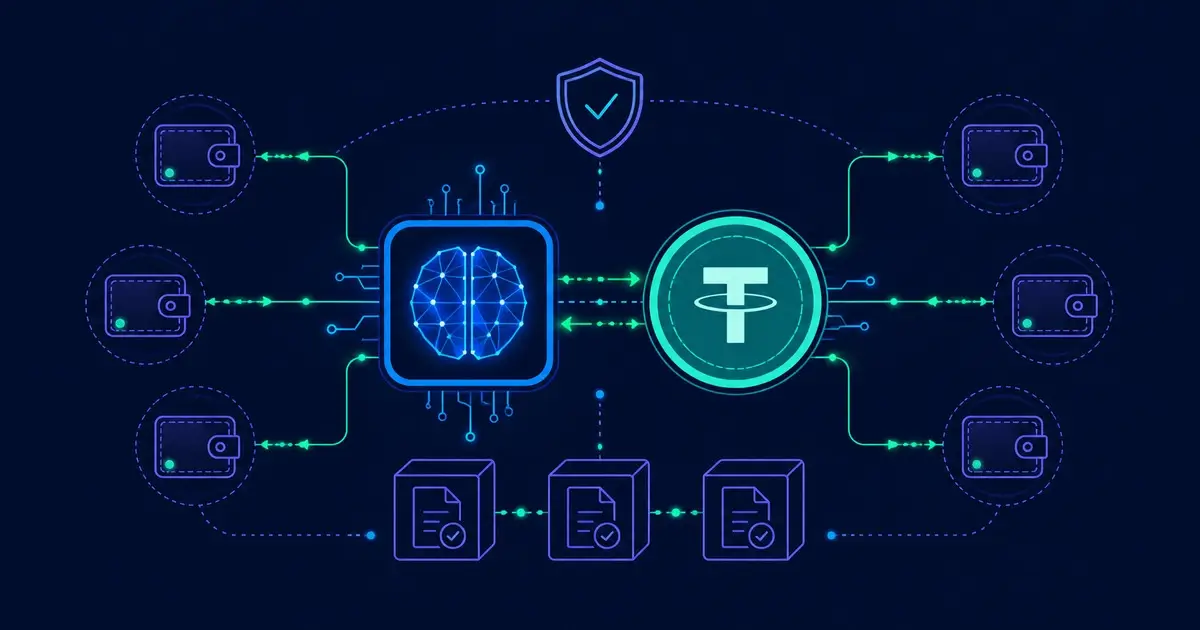
Why AI Agents Need Stablecoins
AI agents may become natural users of stablecoin payment rails as autonomous software needs programmable wallets, fast settlement, micropayments, and machine-to-machine payment infrastructure.

Latest coverage
Read the latest crypto news, blockchain updates, market trends, and major developments across the crypto casino industry.
AI agents may become natural users of stablecoin payment rails as autonomous software needs programmable wallets, fast settlement, micropayments, and machine-to-machine payment infrastructure.

DeFi regulation is increasingly focused on what decentralization actually means, including protocol control, front ends, smart contracts, governance, compliance, and market structure.

Crypto privacy is becoming important again as institutions explore selective privacy for stablecoin settlement, tokenized assets, enterprise payments, and compliant on-chain finance.

Stablecoin rewards are becoming a major regulatory debate as policymakers examine whether rewards on idle balances resemble bank interest or should be treated differently from transaction-based incentives.

Tokenized Treasuries are becoming one of crypto’s clearest Wall Street use cases as institutions explore blockchain-based settlement, on-chain funds, and real-world asset tokenization.

Analysts increasingly use Wyckoff Theory to interpret Bitcoin accumulation, distribution, market psychology, and liquidity behavior as crypto markets evolve through volatile cycles.

Analysts and traders increasingly use Elliott Wave Theory to interpret Bitcoin’s market structure, investor psychology, and potential price scenarios as volatility returns to the crypto market.
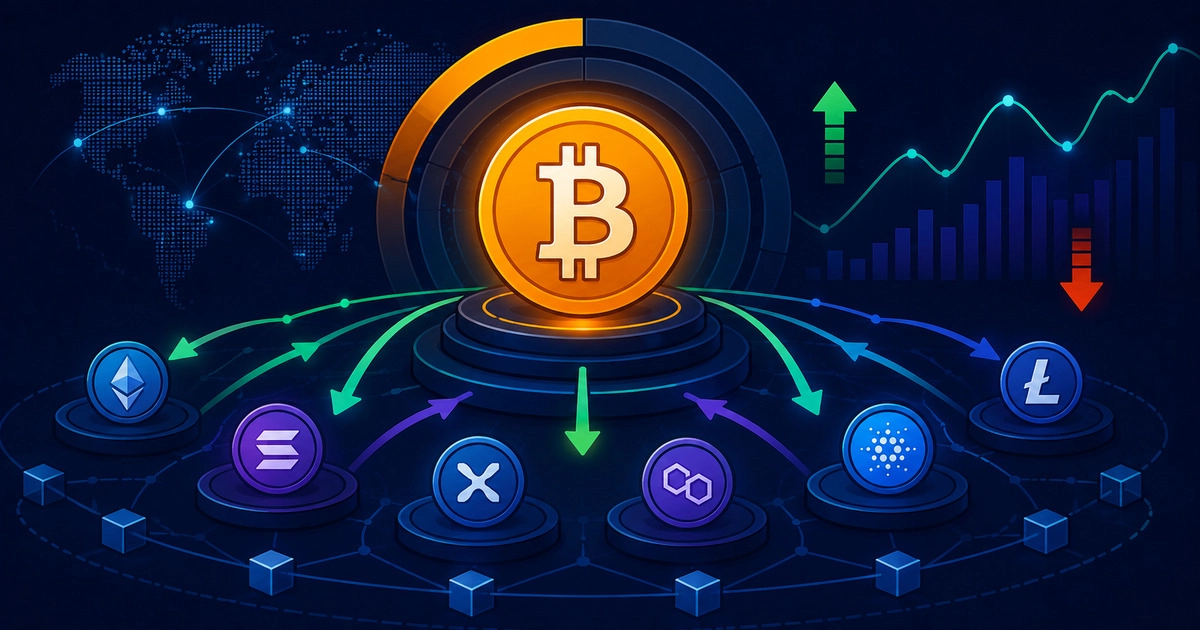
Bitcoin dominance continues to influence altcoins, market liquidity, investor sentiment, and overall crypto market structure as traders monitor capital rotation across digital assets.
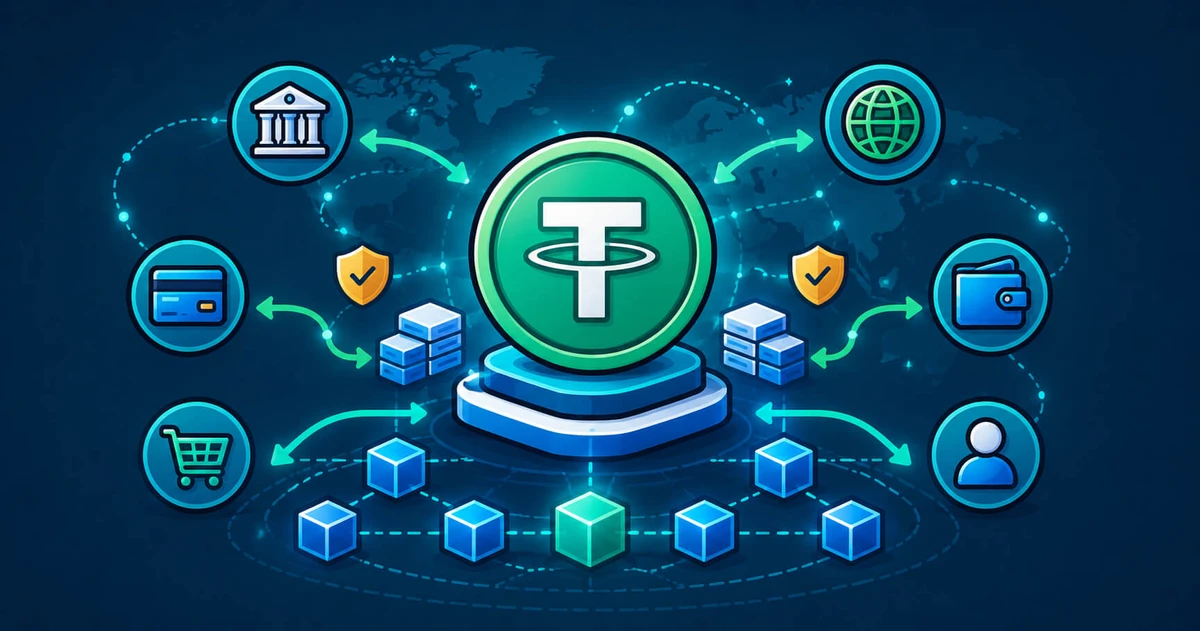
Stablecoins are increasingly becoming the operational foundation for crypto companies as firms prioritize payments, lower volatility, faster settlements, and real-world financial infrastructure.

Crypto companies are increasingly integrating AI into operations, customer support, security, trading systems, and product infrastructure as automation accelerates across the industry.

Spot Bitcoin ETFs posted another week of strong inflows as institutional investors continued increasing exposure to BTC through regulated products.

Public companies and corporate treasury strategies continue increasing Bitcoin exposure as businesses explore digital assets as long-term reserve holdings and balance sheet diversification tools.
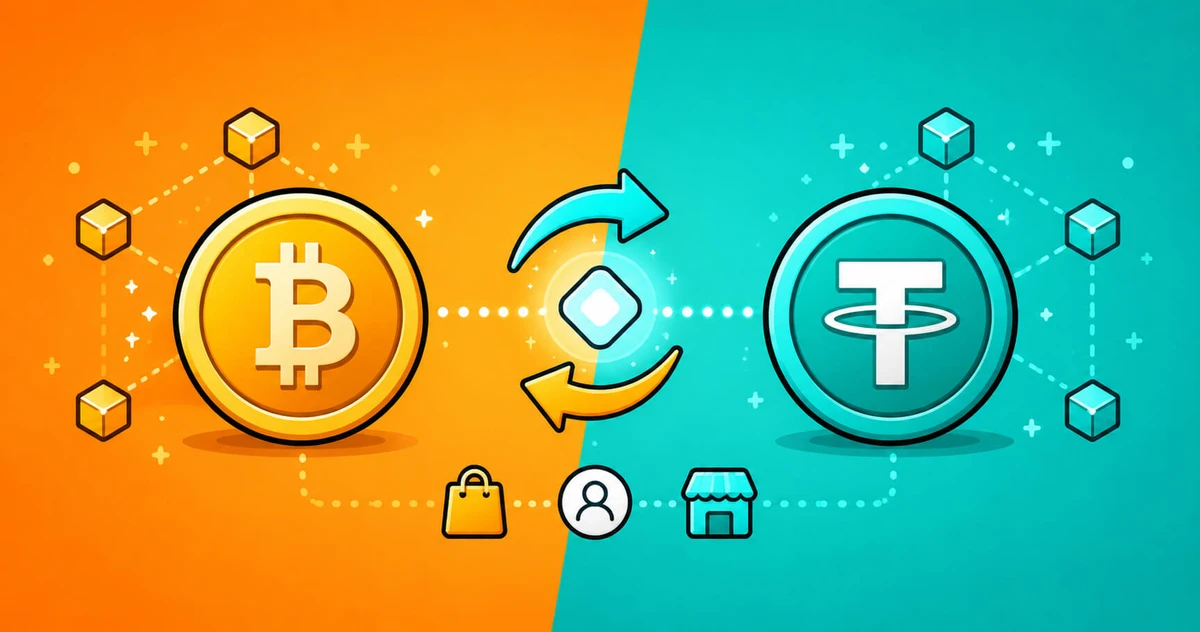
Bitcoin remains the most recognized cryptocurrency, but stablecoins are increasingly dominating practical payment usage because of lower volatility and simpler value tracking.

Crypto companies are increasingly prioritizing payments, stablecoins, and financial infrastructure over pure speculation as the industry searches for sustainable mainstream adoption.

Crypto prediction markets are expanding rapidly across politics, finance, sports, and real-world events as regulators increasingly examine their legal and financial implications.