
TrendCrypt News
Privacy Could Become Crypto’s Next Core Layer
Crypto privacy is becoming important again as institutions explore selective privacy for stablecoin settlement, tokenized assets, enterprise payments, and compliant on-chain finance.
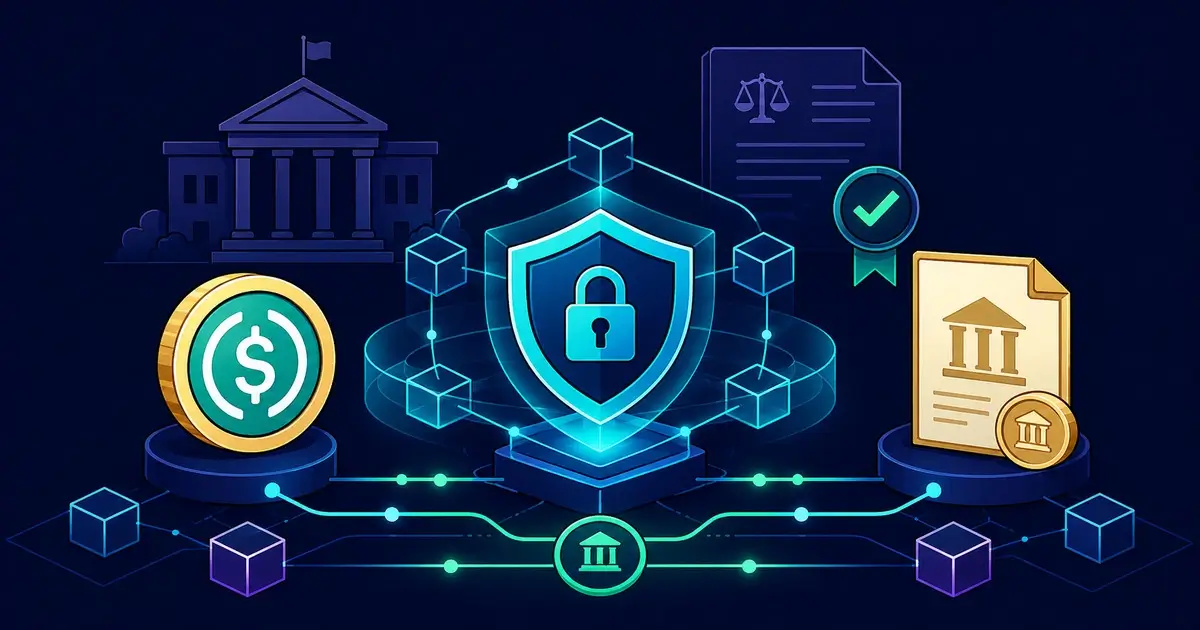
Crypto privacy is becoming important again, but not in the old “privacy coin” sense. The new privacy narrative is about selective privacy for stablecoin settlement, tokenized Treasuries, enterprise payments, institutional blockchain rails, and compliant on-chain finance.
The reason is simple: public blockchains are transparent, but institutions often cannot expose every payment flow, treasury movement, client transfer, or settlement detail to the open internet. At the same time, regulators still expect AML controls, auditability, and financial oversight. That creates a new demand for privacy systems that are not about hiding everything, but about revealing the right information to the right parties.
Related coverage includes Why Tokenized Treasuries Are Crypto’s Wall Street Bridge, Why Stablecoins Are Quietly Becoming Crypto’s Biggest Real-World Use Case, and Why More Crypto Companies Are Building Around Stablecoins.
Key Takeaways
- Crypto privacy is becoming important again for institutional infrastructure
- The new privacy focus is different from old privacy coin narratives
- Selective privacy allows some information to remain private while keeping auditability
- Stablecoin settlement and tokenized assets need stronger confidentiality tools
- Institutions require privacy for business strategy, settlement, and client flows
- Regulators still expect AML, compliance, and transparency where required
- Analysts are watching privacy as a missing layer for on-chain finance
What Happened
Crypto infrastructure is moving closer to traditional finance through:
- stablecoins
- tokenized Treasuries
- real-world assets
- enterprise payments
- institutional blockchain networks
- on-chain settlement systems
As this happens, privacy is becoming a more serious infrastructure question.
Public blockchains are useful because they are transparent and verifiable. However, total public visibility creates problems for institutions that need confidentiality around:
- trading flows
- treasury movements
- settlement activity
- client transactions
- supplier payments
- fund operations
👉 In practice, the next stage of crypto adoption may require systems that combine privacy with compliance rather than choosing one side completely.
Why Privacy Is Back in Crypto
Privacy is returning as a major crypto topic because blockchain adoption is becoming more institutional.
Early crypto privacy discussions often focused on hiding transactions from public view. Today, the conversation is broader.
New privacy infrastructure may support:
- compliant stablecoin settlement
- tokenized asset transfers
- private enterprise payments
- selective transaction disclosure
- regulated financial workflows
- institutional blockchain adoption
This is why privacy is increasingly connected to tokenization, stablecoin regulation, and Wall Street adoption.
Related articles:
- Why More Crypto Platforms Are Focusing on Real-World Payments
- Why Regulators Are Paying More Attention to Stablecoins in 2026
- Why Stablecoin Rewards Are Crypto’s Next Regulation Battle
Old Privacy Coins vs New Privacy Infrastructure
| Category | Old Privacy Coins | New Privacy Infrastructure |
|---|---|---|
| Main Goal | Hide transaction details | Enable selective disclosure and compliance |
| Primary Users | Retail privacy users | Institutions, payment firms, and enterprises |
| Regulatory Fit | Often controversial | Designed around auditability and controls |
| Main Use Case | Private transfers | Private settlement and tokenized finance |
| Infrastructure Role | Standalone privacy asset | Privacy layer for stablecoins and tokenized assets |
What Is Selective Privacy?
Selective privacy means transaction information is not automatically visible to everyone, but it can still be disclosed or verified when necessary.
Instead of making everything public or everything hidden, selective privacy creates controlled visibility.
For example:
- users may keep payment details private from the public
- institutions may protect business-sensitive flows
- auditors may still verify required records
- regulators may receive required compliance information
- counterparties may confirm settlement without exposing all data
This is why selective privacy is becoming important for institutional blockchain rails.
Public Blockchains vs Selective Privacy
| Feature | Why It Matters |
|---|---|
| Public Blockchains | Transactions are broadly visible by default |
| Selective Privacy | Sensitive details can be hidden from the public |
| Auditability | Approved parties may still verify required information |
| Compliance | AML and reporting controls can remain possible |
| Business Confidentiality | Institutions can avoid exposing strategy and flows |
Why Institutions Need Private Settlement
Institutions often cannot operate fully in public.
Banks, asset managers, payment companies, and enterprise platforms may need to protect:
- client relationships
- settlement timing
- trading strategy
- liquidity movements
- treasury balances
- business counterparties
On a fully public blockchain, competitors may be able to observe activity that would normally remain confidential in traditional finance.
👉 That creates a major barrier for institutional adoption.
Private settlement infrastructure could help institutions use blockchain rails without exposing sensitive business data to the entire market.
How Privacy Connects Stablecoins and Tokenization
Stablecoins and tokenized assets both depend on settlement infrastructure.
Stablecoins are increasingly used for:
- payments
- trading liquidity
- cross-border transfers
- settlement
- digital dollar movement
Tokenized assets may include:
- tokenized Treasuries
- real-world assets
- tokenized funds
- institutional collateral
- on-chain financial products
As these markets grow, privacy becomes more important because institutions need confidentiality around how assets move.
Important context: stablecoins may become digital cash, while tokenized Treasuries may become digital collateral. Both require trust, compliance, and controlled visibility.
Related articles:
- Bitcoin vs Stablecoins for Everyday Payments
- Why More Crypto Users Are Choosing USDT Over Bitcoin
- Why Tokenized Treasuries Are Crypto’s Wall Street Bridge
Who Needs Privacy in Crypto Infrastructure?
| Group | Why Privacy Matters |
|---|---|
| Stablecoin Issuers | Need compliant settlement and reserve-linked transparency |
| Banks | Need privacy, auditability, and controlled infrastructure |
| Asset Managers | May require confidential tokenized fund operations |
| Payment Platforms | Need private transaction flows with compliance checks |
| Enterprises | Need confidentiality for treasury and supplier payments |
Privacy vs Compliance
The biggest challenge is balancing privacy with compliance.
Regulators generally want:
- AML controls
- sanctions screening
- auditability
- suspicious activity monitoring
- consumer protection
- financial stability controls
Institutions generally want:
- confidentiality
- settlement efficiency
- client privacy
- secure transfer systems
- operational control
Crypto privacy infrastructure must solve both problems.
That is why zero-knowledge proofs and selective disclosure systems are becoming important topics. These tools may allow information to be verified without making every detail public.
👉 In practice, the most important privacy systems may be those that support compliance rather than avoid it.
Why This Is Different From Old Privacy Coins
This new privacy discussion is not only about private coins or anonymous transfers.
It is about infrastructure.
Old crypto privacy narratives often focused on hiding user activity. New privacy infrastructure focuses more on:
- business confidentiality
- institutional settlement
- regulated tokenized assets
- private payment flows
- selective disclosure
- audit-ready systems
That makes the topic more relevant to banks, stablecoin issuers, payment companies, tokenization platforms, and enterprise users.
Related coverage:
- Crypto Security Threats Are Evolving
- AI Is Reshaping Crypto Companies
- Why More Crypto Companies Are Building Around Stablecoins
Key Risks Analysts Are Watching
Privacy infrastructure creates opportunities, but it also creates risks.
Main Risks Around Crypto Privacy Infrastructure
| Risk | Why It Matters |
|---|---|
| Regulatory Uncertainty | Privacy systems must satisfy compliance expectations |
| AML Concerns | Bad actors may try to misuse privacy tools |
| Technical Complexity | Selective privacy systems are difficult to design safely |
| User Trust | Platforms must explain what is private and what is auditable |
| Fragmentation | Different networks may build incompatible privacy models |
What Happens Next
Analysts are watching several developments:
- privacy-focused blockchain infrastructure
- zero-knowledge proof adoption
- stablecoin settlement networks
- tokenized Treasury platforms
- institutional blockchain pilots
- AML and auditability standards
- global stablecoin regulation
The key question is whether crypto can build privacy systems that institutions trust and regulators can supervise.
If that happens, privacy may become a core layer of future on-chain finance.
Important Context
Privacy does not automatically mean secrecy from regulators.
In financial infrastructure, privacy often means controlled access to sensitive information.
For example:
- customers do not need every transaction visible publicly
- businesses do not want competitors tracking settlement flows
- institutions need private client data
- regulators may still require access to specific records
This is the difference between privacy and non-compliance.
Helpful resources:
- Why Tokenized Treasuries Are Crypto’s Wall Street Bridge
- Why Regulators Are Paying More Attention to Stablecoins in 2026
- Crypto Security Threats Are Evolving
Final Thoughts
Privacy is becoming crypto’s missing infrastructure layer because stablecoins, tokenized Treasuries, real-world assets, and enterprise payments cannot scale entirely on fully public visibility.
The next phase of crypto privacy is not just about hiding transactions.
It is about selective disclosure, business confidentiality, compliant settlement, and institutional-grade financial infrastructure.
In practice, crypto may need privacy to become more usable by the same banks, payment companies, asset managers, and enterprises now exploring on-chain finance.
FAQ
Why is privacy becoming important in crypto again?
Privacy is becoming important because stablecoins, tokenized assets, and institutional settlement require confidentiality as well as compliance.
What is selective privacy?
Selective privacy means some transaction details can remain private from the public while still being auditable or visible to approved parties when needed.
How is this different from old privacy coins?
Old privacy coins focused mainly on hiding transactions. New privacy infrastructure focuses on compliant private settlement, business confidentiality, and institutional use cases.
Why do institutions need private blockchain settlement?
Institutions need privacy to protect client data, trading flows, treasury movements, and business-sensitive settlement activity.
Can crypto be private and compliant?
Yes, in theory. Selective disclosure and zero-knowledge systems may allow verification and compliance without making every detail public.
How does privacy connect to stablecoins?
Stablecoins are increasingly used for payments and settlement. Private settlement tools may help stablecoins scale into institutional and enterprise use cases.
What happens next for crypto privacy infrastructure?
Analysts are watching zero-knowledge systems, private blockchain rails, stablecoin settlement networks, and regulation around compliant on-chain privacy.
The SEC Is Redrawing Who Can Hold Crypto for Investors
The SEC has proposed a new crypto custody framework that could let advisers hold certain client assets themselves and use state trust companies, reshaping who controls institutional crypto keys.

A Lightning Bug Shows Why “Paid” Is Not the Same as Settled
A Lightning vulnerability could mark an invoice as settled after the payment was cancelled, showing why merchant software must distinguish local payment status from actual network settlement.
Bitget’s $387M Hack Tests What Protection Funds Really Mean
Bitget says its Protection Fund can absorb a $387.5 million security loss, testing what exchange protection funds actually guarantee when hot-wallet security fails.