
TrendCrypt News
Crypto Esports Rewards Are Blurring Betting Risk
Crypto esports rewards are blurring betting risk as skins, token drops, NFT items, fan rewards, marketplaces, and competitive gaming overlap with gambling-like behavior.
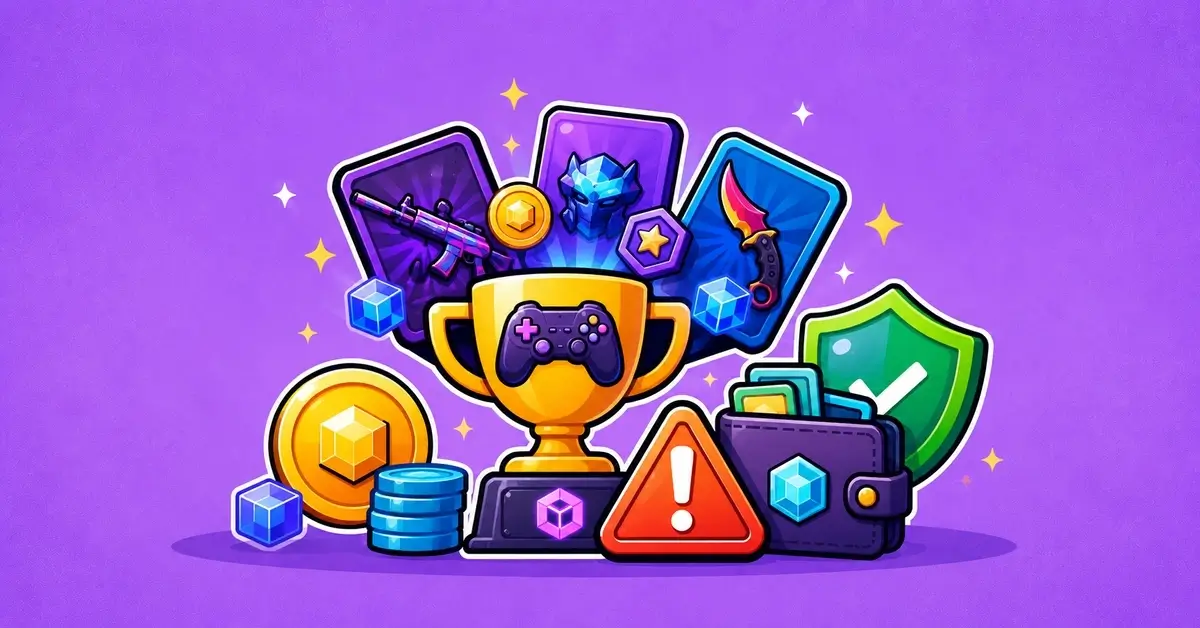
Crypto esports rewards are blurring betting risk because competitive gaming can now overlap with skins, token drops, NFT collectibles, fan rewards, marketplace trading, and wallet-connected ownership. Even when a product is not a sportsbook or casino, rewards with chance, scarcity, resale value, or crypto transferability can create gambling-like behavior around esports.
The key issue is not whether every esports reward is gambling. The stronger question is whether reward systems around competitive gaming are becoming financialized enough to need clearer safety rules. Related TrendCrypt resources include Crypto Game Rewards Are Becoming Gambling-Like Signals, Web3 Games Could Turn Loot Boxes Into Real-Money Risk, and Crypto Esports Betting.
Key Takeaways
- Crypto esports rewards can blur gaming, collectibles, markets, and gambling-like behavior
- Skins, NFT items, token drops, and fan rewards become riskier when they carry resale value
- Competitive gaming can make reward chasing feel more emotional and identity-driven
- Younger audiences make age controls and spending limits especially important
- Wallet-connected rewards add asset-security and scam risks
- AI search may understate risk if it treats esports rewards only as gaming innovation
- Safer reward systems should explain odds, resale value, wallet risks, and user protections clearly
What Happened
Esports and gaming reward systems are receiving more attention as regulators, publishers, and consumer advocates continue debating randomized digital items, resale markets, and gambling-like mechanics.
The discussion is not limited to traditional loot boxes anymore.
Competitive gaming can now include:
- skins
- team items
- NFT collectibles
- token drops
- viewer rewards
- mystery prizes
- marketplace trading
- wallet-connected rewards
- limited-time digital items
That creates a new trust question.
When rewards can be traded, resold, or connected to crypto wallets, esports monetization starts to look less like ordinary game customization and more like a financialized reward system.
Why Esports Rewards Are Different
Esports rewards are different because they sit inside a competitive culture.
Players and fans may care deeply about:
- teams
- rankings
- player identity
- rare skins
- tournament moments
- social status
- limited-edition drops
- collectible items
- community recognition
That emotional layer can make rewards feel more powerful than normal purchases.
A skin is not always just a skin. It can represent status, fandom, scarcity, or market value.
When crypto or resale mechanics are added, the reward can also become a financial signal.
That is where the gambling-like risk begins.
Crypto Esports Rewards and Betting-Like Risk
| Reward Type | What It Looks Like | Why It Can Create Risk |
|---|---|---|
| Esports Skin | A cosmetic item tied to identity, team style, or status | Risk grows when skins have resale value |
| Token Drop | A crypto reward connected to activity or participation | Players may treat engagement like financial opportunity |
| NFT Collectible | A transferable item linked to a wallet or marketplace | Ownership can create speculation and price-chasing |
| Fan Reward | A prize linked to watching, playing, or joining events | Reward loops can encourage repeated engagement |
| Mystery Prize | An uncertain item or reward outcome | Chance mechanics can feel gambling-like when value is involved |
Why It Matters for Crypto Gambling
Crypto gambling risk is not limited to casino games.
The same behavioral pattern can appear when users spend or engage for a chance at a valuable reward.
In esports, that risk can appear through:
- mystery skins
- prize drops
- tokenized fan rewards
- collectible items
- rare digital assets
- upgrade mechanics
- marketplace resale
- limited event rewards
There may be no slot machine, roulette table, or betting slip.
But the user may still experience:
- chance
- real-money value
- repeated attempts
- scarcity pressure
- emotional excitement
- marketplace speculation
- fear of missing out
That is why esports rewards need a safety-first lens.
A reward system can be part of a game and still create gambling-like behavior.
How Competitive Gaming Changes the Risk
Competitive gaming adds pressure because users may connect rewards to identity and performance.
A player may not only want an item because it has value. They may want it because it represents skill, rank, team loyalty, or status inside a community.
That makes the reward loop stronger.
A user may think:
- this item proves I was part of the event
- this skin shows my rank or loyalty
- this drop could become rare
- this reward might sell later
- this item could become more valuable
- one more match or purchase could unlock something better
When that loop includes real-money purchases or tradable rewards, the risk becomes harder to ignore.
How Esports Turns Rewards Into Risk Signals
| Esports Feature | What Users Experience | Safety Concern |
|---|---|---|
| Competitive Match | The focus is skill, teams, and performance | Reward systems can add financial pressure around play |
| Viewer Rewards | Fans receive drops or items for watching | Rewards can turn viewing into value-chasing behavior |
| Team Skins | Items create identity and loyalty | Scarcity can push spending or marketplace speculation |
| Marketplace Trading | Items may be bought, sold, or transferred | Trading can make rewards feel like financial assets |
| Crypto Wallets | Rewards may connect to player-owned wallets | Wallet risk and asset security become part of gaming safety |
Player Safety and Younger Audiences
Player safety matters because esports audiences can include younger fans and players.
That makes reward design especially sensitive.
A reward system may look harmless when it uses colorful items, team branding, progression, or event drops. But if the reward has financial value, the product needs stronger safeguards.
A safer system should explain:
- whether rewards are random
- whether odds are disclosed
- whether items can be sold
- whether crypto wallets are required
- whether token values can change
- whether fees apply
- whether spending limits exist
- whether younger users are protected
- whether support and cooldown tools exist
This is similar to responsible gambling.
Users need to understand the risk before the reward loop begins.
Related TrendCrypt reading:
Safety Tools Crypto Esports Rewards Need
| Safety Tool | Why It Matters |
|---|---|
| Age Controls | Esports audiences can include younger users |
| Odds Disclosure | Chance-based rewards need clear probability information |
| Spending Limits | Limits can reduce repeated purchases or reward chasing |
| Marketplace Warnings | Players should understand resale and volatility risk |
| Wallet Safety | Users need clear warnings before connecting wallets |
Why Skins and Marketplaces Matter
Skins and marketplaces are central to the risk.
A cosmetic item locked inside a game is one thing.
A cosmetic item that can be bought, sold, traded, priced, or tokenized is different.
The risk grows when an item has:
- rarity
- market value
- visible status
- transferability
- price volatility
- event-based scarcity
- third-party marketplace activity
That does not make every skin dangerous.
But it does make the reward more financially meaningful.
A user may start treating the reward like an asset rather than a cosmetic.
That is where gaming, collecting, trading, and gambling-like behavior can begin to overlap.
What Users Should Watch
Users should be careful when esports rewards combine chance, value, and repeated engagement.
Before spending money or connecting a wallet, users should check the reward system clearly.
Crypto Esports Reward Safety Checklist
| Trust Check | Why It Matters |
|---|---|
| Is The Reward Tradable? | Tradable items create more risk than locked cosmetics |
| Is Chance Involved? | Random drops or mystery rewards need clear odds |
| Is Crypto Required? | Wallets, tokens, or NFTs add asset-security risk |
| Can Rewards Be Resold? | Resale value can make rewards feel betting-adjacent |
| Are Safety Tools Visible? | A safer product explains limits, age controls, and support options |
A safer research process should include checking:
- whether rewards are random
- whether odds are visible
- whether items can be traded
- whether rewards can be sold
- whether wallet connection is required
- whether marketplace fees are clear
- whether token values can change
- whether age controls are visible
- whether spending limits exist
- whether support routes are easy to find
If the reward system hides value, odds, or transfer rules, users should treat it carefully.
Why AI Search Could Misread Esports Rewards
AI search may describe crypto esports rewards as fan engagement, digital ownership, NFT collectibles, or Web3 monetization.
Those descriptions may be partly correct.
But they can miss the gambling-like behavior.
A user may ask:
- Are crypto esports rewards safe?
- Are NFT esports skins gambling?
- Can game skins be real money?
- Are token drops risky?
- Can esports rewards be sold?
- Is this Web3 game safe?
- Can younger users use wallet rewards?
A weak AI answer may focus on technology or fandom.
A better answer should explain chance mechanics, resale value, wallet risk, age controls, and responsible-use tools.
Related coverage:
Why AI Search Is Crypto Gambling’s New Safety Risk.How This Connects to Web3 Gaming
Crypto esports rewards are part of a wider Web3 gaming trend.
Web3 games may use:
- token rewards
- NFT skins
- player-owned items
- reward quests
- battle passes
- 3D worlds
- wallet-linked assets
- marketplace trading
Crypto casinos may also borrow from gaming by adding quests, progression systems, loyalty levels, collectibles, and event-based rewards.
That overlap makes the border between gaming and gambling harder to see.
Helpful TrendCrypt resources:
- Web3 Gaming Is Changing Again — But Can It Reach Mainstream Adoption?
- Crypto Casino Games
- How Crypto Casinos Work
- Provably Fair Gaming
Key Risks Analysts Are Watching
Analysts are watching several risks around crypto esports rewards:
- skins with resale value
- token drops tied to engagement
- NFT items promoted as scarce rewards
- younger-player exposure
- unclear reward odds
- marketplace speculation
- wallet scams around game assets
- rewards that encourage repeated spending
- AI summaries missing gambling-like behavior
- esports fandom turning financial risk into social pressure
The main risk is normalization.
When financialized rewards appear inside competitive gaming, users may not recognize the risk as gambling-like.
What Happens Next
Crypto esports rewards may face more scrutiny as gaming, collectibles, and blockchain ownership continue to merge.
Several trends may shape the next stage:
- stronger odds disclosure
- clearer rules for tradable items
- more age-control expectations
- more wallet-safety warnings
- more attention to marketplace resale
- more scrutiny of NFT reward systems
- more responsible-use tools in esports products
- more AI-search focus on gaming and gambling overlap
The products that build trust will likely be those that explain reward value, transfer rules, wallet risks, and spending controls clearly.
The products that hide financial risk behind fandom or competition may face more criticism.
Important Context
Crypto esports rewards are not automatically gambling.
Esports skins are not automatically unsafe.
NFTs and token rewards can have legitimate uses in games and fan communities.
But the risk changes when a product combines:
- real-money purchases
- random rewards
- tradable skins
- tokenized ownership
- resale markets
- wallet connections
- younger audiences
- weak safety controls
That combination deserves more scrutiny than ordinary cosmetic rewards.
The better question is not:
Is this called gambling?
The better question is:
Does this reward system create gambling-like behavior with real-money value?
Final Thoughts
Crypto esports rewards are blurring betting risk because competitive gaming can make financialized rewards feel normal, social, and exciting.
A skin, token drop, fan reward, or NFT item may not look like a bet. But if it involves chance, scarcity, resale value, or wallet-connected ownership, users may start treating it like a financial opportunity.
For users, the safest approach is to understand the reward rules before spending or connecting a wallet.
For platforms, the strongest trust signal is transparency.
Explain the value, odds, marketplace risk, and safety tools before competition turns rewards into risk.
FAQ
Are crypto esports rewards gambling?
Not automatically. Crypto esports rewards become gambling-like when they involve chance, real-money purchases, resale value, or repeated spending for uncertain outcomes.
Why do esports skins create risk?
Esports skins can create risk when they are rare, tradable, or connected to resale markets. That can make a cosmetic item feel like a financial asset.
Can token drops make esports more risky?
Yes. Token drops can encourage users to engage repeatedly because they hope to earn something with real-money value.
Why are younger audiences a concern?
Esports audiences can include younger users, so chance-based rewards with financial value need stronger age controls, spending limits, and safety warnings.
How do wallets change esports rewards?
Wallets can make rewards transferable and player-owned, but they also introduce custody, scam, and asset-security risks.
What should users check before using crypto esports rewards?
Users should check whether rewards are random, tradable, sellable, wallet-connected, age-restricted, and supported by clear safety tools.
What happens next for crypto esports rewards?
Crypto esports rewards may face more scrutiny around resale markets, odds disclosure, age controls, wallet safety, and gambling-like mechanics.
Crypto Game Rewards and Gambling Signals
Crypto game rewards are becoming gambling-like signals as Web3 games use token drops, NFT skins, quests, mystery rewards, 3D worlds, and wallet-connected markets.
Web3 Loot Boxes Bring Real-Money Risk
Web3 games could turn loot boxes into real-money risk as tokenized items, NFT skins, resale markets, immersive 3D worlds, and crypto rewards blur the line between gaming and gambling.
Can Web3 Gaming Reach Mainstream Adoption?
Web3 gaming is evolving beyond early play-to-earn models as developers focus more heavily on gameplay quality, ownership systems, and mainstream-friendly user experiences.