
TrendCrypt News
Crypto Gambling Faces Affordability Pressure
Affordability checks may reshape crypto gambling as regulators, platforms, and players debate financial risk assessments, privacy concerns, responsible gambling, and offshore-market risk.
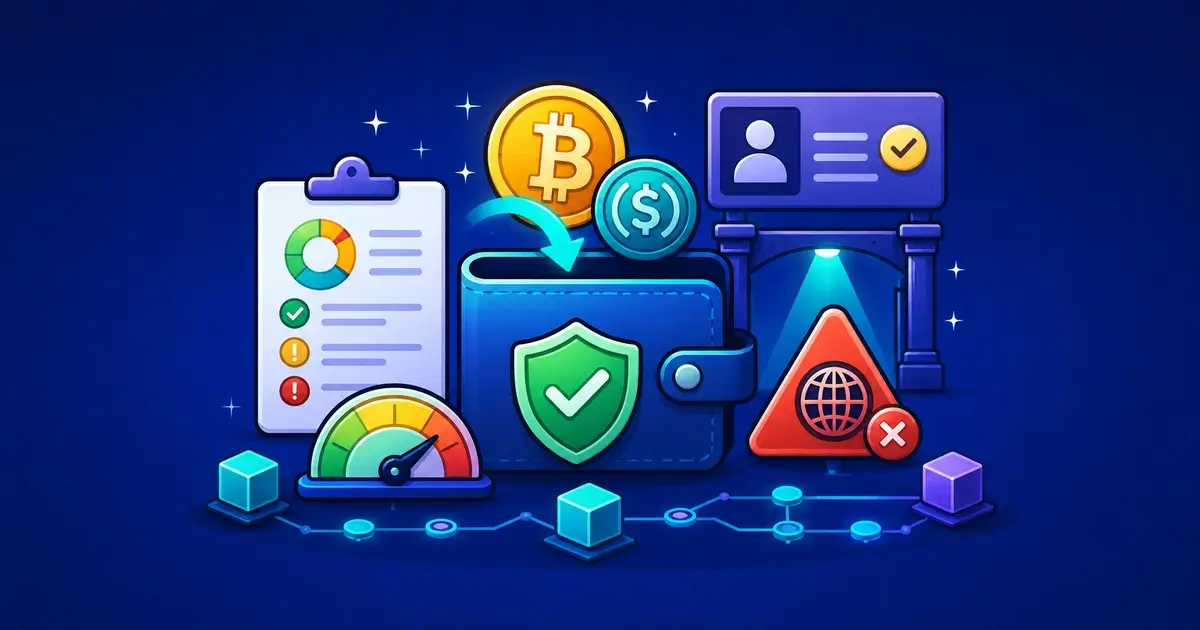
Affordability checks may become crypto gambling’s next major safety debate because they sit between player protection, financial privacy, KYC, AML, source-of-funds checks, and offshore-market risk. These checks are designed to identify risky gambling behavior, but if they are poorly explained or overly intrusive, they may frustrate users and push some players toward less regulated offshore platforms.
The issue is especially important for crypto gambling because payments can move quickly through Bitcoin, USDT, USDC, and other digital assets. Fast payment rails do not remove gambling affordability risk. In practice, platforms still need clear responsible gambling tools, transparent review rules, and fair communication around financial risk assessments. Related resources include Responsible Gaming, How to Choose a Safe Crypto Casino, and Are Crypto Casinos Safe?.
Key Takeaways
- Affordability checks may become a major crypto gambling safety issue
- Financial risk assessments can help identify harmful gambling behavior
- Poorly designed checks may create privacy and trust concerns
- Crypto payments do not remove affordability risk
- Stablecoin deposits and withdrawals can still be linked to platform reviews
- Offshore crypto casinos may benefit if regulated checks feel too intrusive
- Trustworthy platforms should clearly explain when checks happen and why
What Happened
Gambling regulation is increasingly focused on financial risk, responsible gambling, and player protection.
At the same time, crypto gambling platforms continue to promote:
- fast deposits
- stablecoin withdrawals
- privacy-friendly access
- global availability
- lower payment friction
- flexible account setup
This creates a difficult policy question.
How can platforms detect risky gambling behavior without creating excessive privacy concerns or pushing users toward less regulated offshore markets?
👉 In practice, affordability checks may become one of the biggest tests of whether crypto gambling can balance safety, privacy, and transparency.
What Are Affordability Checks?
Affordability checks are financial risk assessments used to identify whether gambling activity may be creating harm or exceeding a player’s realistic financial limits.
They may consider signals such as:
- deposit frequency
- total spending
- rapid loss patterns
- repeated failed deposits
- session length
- escalating bet sizes
- loss-chasing behavior
- sudden changes in activity
Affordability checks are not the same as deciding whether someone is “allowed” to gamble.
They are usually framed as a player protection tool.
Important context: the most trusted versions should be proportionate, clearly explained, and connected to responsible gambling support.
Affordability Checks vs Source-of-Funds Checks
| Area | Affordability Checks | Source-of-Funds Checks |
|---|---|---|
| Main Purpose | Assess whether gambling activity may be financially risky | Verify where funds came from |
| Typical Trigger | Spending patterns, losses, or risky behavior | Deposits, withdrawals, AML flags, or wallet history |
| Player Concern | Privacy and financial-data sensitivity | Documentation requests and payout delays |
| Safety Goal | Reduce gambling harm and risky spending | Reduce fraud, laundering, and suspicious activity |
| Trust Issue | Checks must be proportionate and clearly explained | Requests should not appear suddenly without context |
Why Crypto Gambling Makes This Debate More Complex
Crypto gambling makes affordability checks more complex because users often choose crypto platforms for speed, privacy, and payment flexibility.
A player may use:
- USDT deposits
- USDC withdrawals
- Bitcoin payments
- self-custody wallets
- exchange transfers
- stablecoin balances
This can make traditional financial-risk checks harder to design.
Crypto platforms may not always see the same banking data that traditional gambling operators use. At the same time, blockchain payments create other signals such as wallet history, transaction flows, and stablecoin movement.
Related resources:
Player Protection vs Privacy Concerns
Affordability checks create tension between protection and privacy.
Supporters argue they can help identify risky gambling patterns before harm escalates.
Critics worry they may feel intrusive if users are asked for sensitive financial information without clear explanation.
Player Protection Benefits vs Privacy Concerns
| Area | Player Protection Benefit | Privacy Concern |
|---|---|---|
| Early Risk Detection | Can identify harmful patterns sooner | May feel intrusive if poorly explained |
| Responsible Gambling | Supports limits, cooling-off, and interventions | Could frustrate privacy-sensitive users |
| Financial Review | May protect vulnerable players | Users may dislike sharing financial details |
| Platform Accountability | Encourages clearer risk controls | Can create disputes if rules are vague |
| User Trust | Works better when transparent | Fails when checks feel hidden or inconsistent |
The trust problem appears when platforms do not explain:
- what triggers checks
- what data is reviewed
- how long reviews take
- whether withdrawals can be delayed
- how users can challenge decisions
- how data is protected
In practice, transparency may matter as much as the check itself.
Why Offshore Platforms Could Benefit From Poorly Designed Checks
Poorly designed affordability checks may create unintended consequences.
If players feel that regulated platforms are too intrusive, slow, or unclear, some may look for offshore crypto casinos that advertise fewer restrictions.
That can create new safety risks.
Offshore platforms may offer:
- fewer checks
- faster signup
- aggressive no-KYC marketing
- weaker responsible gambling tools
- unclear complaint routes
- limited enforcement options
Why Poorly Designed Checks Can Push Users Offshore
| Problem | Why It Matters |
|---|---|
| Too Much Friction | Players may look for less restrictive platforms |
| Privacy Concerns | Users may avoid regulated checks |
| Poor Communication | Unclear reviews can reduce trust in licensed operators |
| Slow Withdrawals | Players may blame checks for payout delays |
| Weak Alternatives | Offshore sites may market fewer restrictions while offering weaker protections |
Related coverage:
Why Offshore Crypto Casinos Are a Player Safety RiskImportant context: reducing friction is not always the same as improving safety.
KYC, AML, and Source-of-Funds Reviews
Affordability checks overlap with several other review systems, but they are not identical.
KYC checks usually focus on identity.
AML checks focus on suspicious activity, money laundering risk, and transaction monitoring.
Source-of-funds checks focus on where money or crypto came from.
Affordability checks focus on whether gambling behavior may create financial harm.
A crypto gambling platform may use several of these systems together.
For example, a player may face review because of:
- identity verification
- wallet screening
- source-of-funds questions
- deposit behavior
- high losses
- rapid betting escalation
- withdrawal risk review
Related coverage:
- Why KYC at Withdrawal Is Crypto Gambling’s Trust Test
- Why Wallet Screening Is Crypto Gambling’s New Trust Layer
- Why Crypto Withdrawals Still Frustrate Users
Why Stablecoin Payments Do Not Remove Affordability Risk
Stablecoin payments can make crypto gambling feel more predictable because USDT and USDC reduce price volatility compared with assets like Bitcoin or Ethereum.
Stablecoins can help with:
- faster transfers
- dollar-based balances
- easier accounting
- lower volatility
- cross-border payments
However, stablecoins do not reduce gambling harm by themselves.
A player can still:
- deposit too frequently
- chase losses
- gamble beyond limits
- ignore cooling-off tools
- experience delayed withdrawals
- misunderstand bonus terms
- face financial stress
This is why responsible gambling tools remain important even when payments are faster.
Helpful resource:
Responsible GamingWhat Trustworthy Platforms Should Disclose
Trustworthy crypto gambling platforms should explain affordability and financial-risk checks before problems appear.
What Trustworthy Platforms Should Disclose
| Disclosure | Why It Matters |
|---|---|
| Affordability Triggers | When financial risk assessments may happen |
| Data Requirements | What information may be requested and why |
| Responsible Gambling Tools | Deposit limits, loss limits, cooling-off, and self-exclusion |
| Withdrawal Review Rules | How checks may affect payout timing |
| Appeal or Support Path | How players can ask questions or resolve disputes |
Clear disclosure can reduce confusion and help players understand the difference between:
- responsible gambling checks
- KYC verification
- AML reviews
- source-of-funds requests
- withdrawal processing
Key Risks Analysts Are Watching
Analysts are watching several risks around affordability checks in crypto gambling:
- privacy-sensitive users avoiding regulated platforms
- offshore sites using fewer checks as a marketing tool
- vague financial-risk review policies
- withdrawal delays linked to unclear checks
- inconsistent treatment between users
- poor communication around document requests
- confusion between affordability checks and AML reviews
- weak responsible gambling support after risk is detected
The goal should be safer gambling, not hidden friction.
What Happens Next
Several trends may shape affordability checks in crypto gambling:
- more responsible gambling requirements
- stronger financial risk monitoring
- clearer KYC and AML rules
- more attention to stablecoin transaction monitoring
- better disclosure around source-of-funds checks
- more scrutiny of offshore crypto casinos
- more pressure on platforms to explain review rules clearly
The strongest platforms may be those that combine safety tools with transparent communication.
The weakest platforms may be those that use vague checks after deposits or withdrawals without explaining the process.
Important Context
Affordability checks should not be treated as a punishment.
When designed properly, they can help identify harmful patterns and encourage safer gambling decisions.
But they must be handled carefully.
A poor system can feel intrusive, inconsistent, or unfair.
A better system should be:
- proportionate
- transparent
- privacy-conscious
- clearly explained
- connected to support tools
- easy to understand
- not used as a vague excuse for payout delays
In practice, affordability checks will only build trust if players understand how they work.
Final Thoughts
Affordability checks could reshape crypto gambling because they sit at the center of several major issues: responsible gambling, privacy, KYC, AML, source-of-funds reviews, stablecoin payments, and offshore-market risk.
Fast crypto payments do not remove the need for player protection.
At the same time, poorly designed checks can damage trust and push some users toward riskier offshore platforms.
The future of crypto gambling safety may depend on whether platforms can explain financial risk assessments clearly, protect user privacy, and provide meaningful responsible gambling support before harm escalates.
FAQ
What are affordability checks in gambling?
Affordability checks are financial risk assessments used to identify whether gambling activity may be creating financial harm or exceeding safe limits.
How could affordability checks affect crypto gambling?
They could influence deposits, withdrawals, responsible gambling reviews, source-of-funds requests, and platform safety policies.
Are affordability checks the same as source-of-funds checks?
No. Affordability checks focus on financial risk and gambling harm, while source-of-funds checks focus on where money or crypto came from.
Why do affordability checks create privacy concerns?
They may involve sensitive financial information, spending behavior, or account activity, which some users may not want to share without clear explanation.
Could stricter checks push users to offshore crypto casinos?
Yes. If checks feel intrusive or poorly explained, some users may look for offshore platforms with fewer restrictions, which can create new safety risks.
Do stablecoin payments remove affordability risk?
No. USDT, USDC, and other stablecoins may reduce payment volatility, but they do not prevent harmful gambling behavior or financial overextension.
What happens next for affordability checks in crypto gambling?
Analysts are watching stronger responsible gambling rules, clearer financial risk assessments, better privacy safeguards, and more scrutiny of offshore crypto gambling platforms.

World Cup Betting Integrity Warnings Grow
World Cup betting integrity warnings are growing as regulators and sports bodies prepare for suspicious betting reports, prediction-market risks, match-integrity pressure, and safer gambling concerns.

World Cup Crypto Scams Are Already Rising
Official World Cup ticket warnings are already here, and crypto users face an extra layer of risk from fake ticket offers, phishing links, copycat betting sites, and scam tokens tied to tournament hype.

World Cup Betting Faces Prediction Market Threat
The 2026 World Cup is becoming a test case for prediction markets as sports betting, event contracts, regulation, and player safety start to overlap in new ways.