
TrendCrypt News
Prediction Markets and Crypto Gambling Trust
Prediction markets are blurring the line between crypto trading, event contracts, and gambling, raising new questions about regulation, player safety, addiction risk, and platform trust.
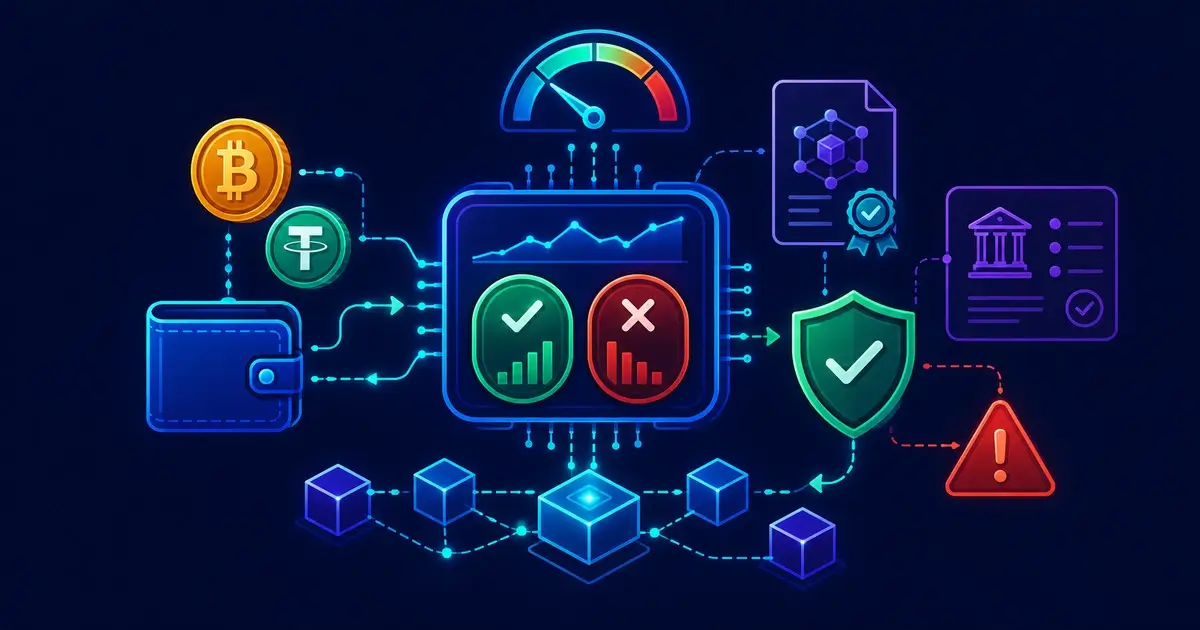
Prediction markets are becoming one of crypto gambling’s biggest trust tests because they sit between financial speculation, event trading, sports-style wagering, and gambling-like user behavior. Even when platforms describe themselves as markets rather than betting sites, users may still face rapid losses, unclear protections, disputed outcomes, regulatory uncertainty, and crypto payment risks.
The key issue is not whether every prediction market should be treated exactly like a casino. The key issue is that users may experience them like gambling while platforms and regulators debate which rules apply. That makes transparency, age controls, responsible-gambling tools, wallet risk checks, and dispute resolution especially important. Related TrendCrypt resources include Responsible Gambling, How to Choose a Safe Crypto Casino, and Why AI Search Is Crypto Gambling’s New Safety Risk.
Key Takeaways
- Prediction markets are blurring the line between crypto trading and gambling
- Some platforms use financial-market language, but users may experience gambling-like risk
- Crypto rails can make deposits and settlements faster, but they do not remove platform risk
- Regulators are paying closer attention to event contracts, sports markets, and user protection
- Responsible-gambling tools may become a major trust signal for prediction-market platforms
- Wallet screening, KYC, and withdrawal reviews may matter more as crypto-based event markets grow
- Users should understand regulation, market resolution, withdrawal rules, and loss risk before trusting any platform
What Happened
Prediction markets have moved from a niche crypto and finance topic into a mainstream regulatory debate.
Platforms that let users trade on real-world outcomes are growing across areas such as:
- politics
- sports
- company events
- economic data
- crypto prices
- cultural events
- weather
- public outcomes
The controversy comes from how these products are framed.
Supporters often describe prediction markets as information markets or event contracts. Critics argue that many users experience them like betting, especially when markets involve sports, politics, or highly emotional public events.
For crypto users, the issue becomes even more complex because some prediction markets rely on blockchain rails, stablecoins, wallet deposits, or crypto-native communities.
That creates a new trust question:
Are users entering a financial market, a gambling product, or something that behaves like both?
Why Prediction Markets Matter for Crypto Gambling
Prediction markets matter for crypto gambling because they expose the same trust problem from a different angle.
Crypto casinos usually raise questions such as:
- Is the operator licensed?
- Are withdrawals reliable?
- Are KYC triggers clear?
- Are bonus terms fair?
- Are responsible-gambling tools available?
Prediction markets raise similar questions, but with different wording:
- Is the market legally available?
- Who resolves the outcome?
- Can users understand the risk?
- Are losses treated like trading losses or gambling harm?
- What happens if regulators restrict access?
- Are crypto deposits screened or delayed?
In both cases, users need more than marketing claims.
They need clear rules before they deposit, trade, wager, or expose money to platform risk.
Prediction Markets vs Gambling Platforms
| Area | Prediction Markets | Gambling Platforms |
|---|---|---|
| Core Format | Users trade contracts based on real-world outcomes | Users place wagers on sports, games, or casino events |
| Regulatory Framing | Often described as event contracts or financial markets | Usually regulated under gambling or betting laws |
| User Experience | Can feel like trading because prices move between yes/no outcomes | Usually feels like betting because odds and payouts are clearer |
| Risk Profile | Users can still lose money quickly if markets are volatile | Users can lose money quickly through wagers and repeated play |
| Main Trust Question | Is it financial speculation, gambling, or both? | Are the rules, odds, limits, and protections clear? |
The Core Trust Problem
The core trust problem is that prediction markets can look like trading while feeling like gambling.
A user may see:
- live prices
- yes/no contracts
- order books
- probability charts
- crypto settlement
- mobile access
- fast-moving markets
That can feel different from a casino game.
But the user still risks losing money based on uncertain outcomes.
This matters because product framing affects behavior. If users think they are “trading information,” they may underestimate how similar the experience can feel to betting. If platforms avoid gambling language entirely, users may also miss important warnings about loss limits, addiction risk, and self-exclusion.
A safer product experience would make the risk obvious before the user participates.
Where Crypto Rails Change the Risk
Crypto can make prediction markets easier to access, fund, and settle.
That does not automatically make them safer.
Crypto rails may introduce benefits such as:
- faster settlement
- stablecoin payment options
- transparent on-chain records
- lower reliance on card processors
- international user familiarity
But they can also create risks:
- cross-border regulatory uncertainty
- wallet screening delays
- unclear withdrawal reviews
- limited chargeback options
- mistaken privacy assumptions
- faster loss cycles
This is similar to crypto casinos. Blockchain payments may improve payment speed, but they do not guarantee fair treatment, clear rules, or strong user protection.
How Crypto Changes Prediction Market Risk
| Crypto Feature | Possible Benefit | Player Safety Concern |
|---|---|---|
| Stablecoin Payments | Can make deposits and settlements faster | Does not remove platform, compliance, or dispute risk |
| On-Chain Activity | Can create more visible transaction trails | Does not guarantee fair outcomes or fair user treatment |
| Wallet Screening | Can help platforms detect risky flows | Can also trigger account reviews or withdrawal delays |
| No-Bank Access | Can reduce traditional payment friction | May increase cross-border regulatory concern |
| User Privacy | Crypto may feel more private than cards | Blockchain data can still be monitored and linked |
The Responsible Gambling Question
The biggest issue is not only legal classification.
It is user protection.
If a product creates gambling-like behavior, users may need gambling-like safeguards even if the product is legally described as something else.
Those safeguards may include:
- deposit limits
- loss limits
- time reminders
- cooldown periods
- self-exclusion options
- clear risk warnings
- age controls
- links to support resources
- transparent market-resolution rules
This is especially important when platforms are promoted through influencers, search results, crypto communities, or AI-generated summaries.
A user may not understand the difference between a regulated sportsbook, an offshore crypto casino, a derivatives exchange, and a crypto prediction market. From the user’s perspective, all may involve staking money on uncertain outcomes.
That is why responsible-gambling design should not depend only on legal labels.
Responsible Gambling Signals to Check
| Safety Signal | Why It Matters |
|---|---|
| Age Controls | Platforms should prevent underage access and risky exposure |
| Loss Limits | Users need visible limits before activity escalates |
| Self-Exclusion | Users need clear ways to block access when needed |
| Risk Warnings | Markets should explain loss risk in plain language |
| Support Routes | Users need help options if gambling-like harm appears |
Why Market Resolution Is a Trust Signal
Prediction markets depend on outcome resolution.
That means users need to know:
- who decides the final result
- what data source is used
- what happens if the result is ambiguous
- whether disputes can be raised
- whether insiders can influence outcomes
- how quickly markets settle
- what happens during regulatory interruptions
For crypto users, this is similar to asking how a casino handles withdrawal disputes.
A market may be technically transparent but still frustrating if the rules are unclear. A blockchain transaction can prove that money moved, but it does not automatically prove that the platform handled the outcome fairly.
Trust depends on clear rules, not only public ledgers.
Related TrendCrypt reading:
- Why Wallet Screening Is Crypto Gambling’s New Trust Layer
- Why KYC at Withdrawal Is Crypto Gambling’s Trust Test
- Why Crypto Withdrawals Still Frustrate Users
What Users Should Check Before Trusting These Platforms
Users should not judge prediction markets only by whether they look modern, crypto-native, or popular.
They should check the same kinds of trust signals they would check with any high-risk money platform.
Prediction Market Trust Checklist
| Trust Check | Question to Ask |
|---|---|
| Regulatory Status | Who oversees the product and under which rules? |
| Payment Method | Are crypto deposits, withdrawals, or stablecoins involved? |
| Withdrawal Rules | Can users easily understand when funds may be delayed? |
| Market Resolution | Who decides the outcome if a result is disputed? |
| Responsible Gambling Tools | Are limits, cooldowns, and exclusion tools visible? |
A platform that handles user money should explain risk before the user commits funds.
That includes plain-language information about:
- legal availability
- age restrictions
- fees
- withdrawals
- market rules
- settlement timing
- dispute handling
- responsible-use tools
- crypto wallet checks
- account review triggers
Helpful TrendCrypt resources:
- Are Crypto Casinos Safe?
- KYC vs No-KYC Crypto Casinos
- Are Crypto Casinos Anonymous?
- Crypto Casino Withdrawal Times
Why AI Search Could Make the Problem Bigger
AI search tools may become part of the discovery path for prediction markets, crypto casinos, and gambling-adjacent products.
That matters because users may ask simple questions like:
- Is this platform safe?
- Is this gambling?
- Can I withdraw with crypto?
- Is it legal in my region?
- Does it require KYC?
- Can I use stablecoins?
If AI systems summarize incomplete or outdated information, users may misunderstand the risk.
This is why content around crypto gambling needs to be careful. It should not only list platforms or repeat marketing claims. It should explain how the product works, what can go wrong, and which trust signals matter.
Related TrendCrypt coverage:
Why AI Search Is Crypto Gambling’s New Safety Risk.Key Risks Analysts Are Watching
Analysts are watching several risks around prediction markets and crypto gambling:
- gambling-like behavior under financial-market branding
- state and federal regulatory conflicts
- sports-market access through non-sportsbook products
- underage or vulnerable-user exposure
- influencer-driven discovery
- weak responsible-gambling tools
- unclear market-resolution rules
- crypto wallet screening delays
- disputed outcomes
- insider-information concerns
- cross-border access through crypto rails
The main risk is confusion.
If users do not understand whether they are trading, betting, gambling, or speculating, they may not understand what protections they actually have.
What Happens Next
Prediction markets are likely to face more scrutiny as they expand into more categories.
Several trends may shape the next stage:
- clearer rules around sports-related event contracts
- more pressure for responsible-gambling safeguards
- stronger age and identity checks
- more wallet screening around crypto-funded markets
- more platform disclosures around market resolution
- more debate between financial regulators and gambling regulators
- more public-health discussion around gambling-like harm
The platforms that earn trust will likely be those that explain the risk clearly, provide safety tools early, and avoid hiding behind technical language.
The platforms that rely mainly on regulatory gray areas may face more criticism.
Important Context
Prediction markets are not automatically the same as crypto casinos.
Some may serve real informational, hedging, or forecasting purposes.
But users should not ignore gambling-like risk just because the product uses trading language.
The better questions are:
- Can users lose money quickly?
- Are outcomes easy to understand?
- Are rules clear before money is deposited?
- Are responsible-use tools visible?
- Is the product available legally in the user’s region?
- Are withdrawals and account reviews explained?
- Can users dispute unclear outcomes?
Those questions matter more than branding.
Final Thoughts
Prediction markets are becoming crypto gambling’s next trust test because they combine real-money speculation, event outcomes, crypto rails, and regulatory uncertainty.
They may not look like casino games, but they can still create gambling-like risk for users.
For TrendCrypt readers, the safest approach is to treat prediction markets as high-risk money platforms. Before trusting any platform, users should understand the rules, regulation, payment methods, market resolution process, withdrawal conditions, and responsible-gambling safeguards.
Crypto can make access faster.
It does not make risk disappear.
FAQ
Are prediction markets the same as gambling?
Prediction markets are often described as event-contract or information markets, but some users may experience them like gambling because money is placed on uncertain outcomes.
Why are prediction markets connected to crypto?
Some prediction markets use crypto rails, stablecoins, wallets, or blockchain-based settlement, which connects them to wider crypto payment and compliance issues.
Why do regulators care about prediction markets?
Regulators care because some markets may resemble sports betting, political betting, or gambling-like activity, while platforms may argue they are financial products.
Can crypto make prediction markets safer?
Crypto can improve settlement speed and transparency in some areas, but it does not remove platform risk, legal uncertainty, wallet screening, or user-protection concerns.
What should users check before using a prediction market?
Users should check legal availability, platform rules, withdrawal terms, fees, market-resolution rules, responsible-use tools, and whether crypto wallet checks may apply.
Why is responsible gambling relevant here?
Responsible gambling is relevant because users may develop gambling-like behavior even when a product is described as trading or event speculation.
What happens next for prediction markets?
The next stage will likely involve more regulatory scrutiny, clearer product disclosures, stronger safety tools, and more debate over whether certain markets should be treated like gambling.

Prediction Markets Have an Insider-Trading Problem
A CFTC case involving White House speech information shows why prediction markets need clearer boundaries between informed trading and illegal access.
Prediction Markets Face a New Trust Problem
New York is scrutinizing prediction-market marketing as Kalshi and Polymarket face a bigger test over consumer protection, insider information and gambling rules.
World Cup Betting Faces Prediction Market Threat
The 2026 World Cup is becoming a test case for prediction markets as sports betting, event contracts, regulation, and player safety start to overlap in new ways.