
TrendCrypt News
Stablecoin Reward Cards and Gambling Risks
Gamified stablecoin cards show how crypto payments, rewards, chance-based mechanics, and gambling-like design can blur together in ways that raise new consumer safety questions.
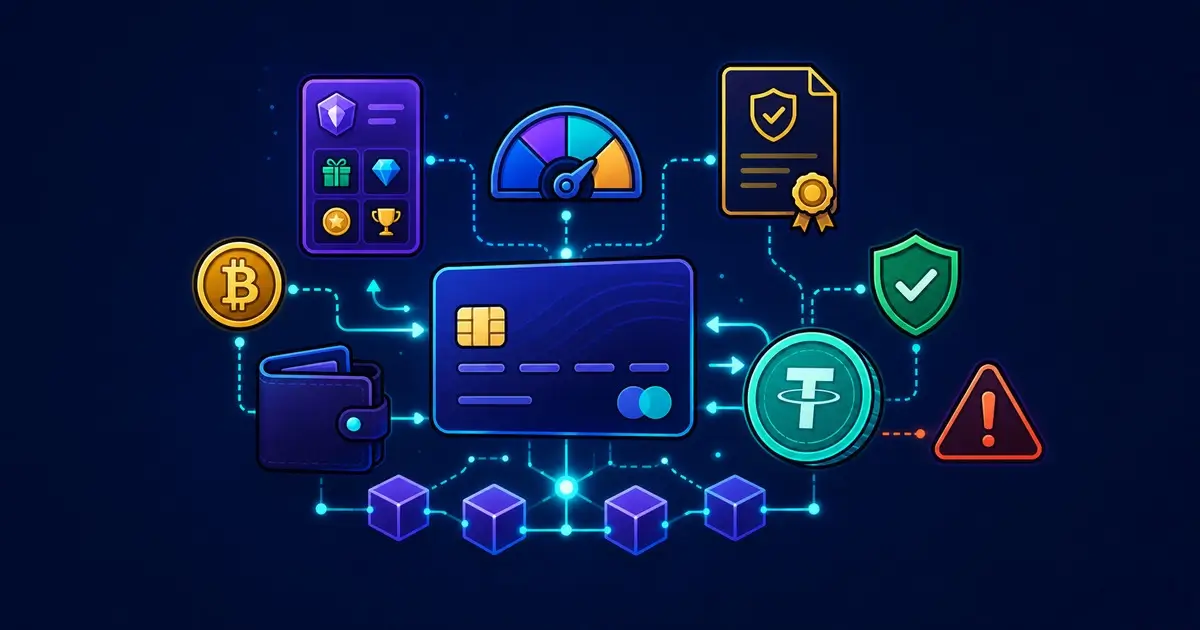
Gamified stablecoin cards are a gambling warning sign because they show how crypto payments, random rewards, consumer finance, and chance-based design can blend together. Even if a product is not legally classified as gambling, users may still experience it like gambling if spending creates a chance of receiving an unpredictable financial reward.
The important issue is not only whether stablecoins make payments faster. The bigger issue is whether crypto payment products are starting to copy gambling-style engagement loops. When rewards depend on chance, users need clear rules, spending limits, risk warnings, and transparent complaint routes. Related TrendCrypt resources include Responsible Gambling, Are Crypto Casinos Safe?, and Why AI Search Is Crypto Gambling’s New Safety Risk.
Key Takeaways
- Gamified stablecoin cards can blur the line between payments, rewards, and gambling-like behavior
- Random purchase reimbursements may feel different from normal cashback or loyalty rewards
- Stablecoins can make settlement faster, but they do not remove consumer-protection risk
- Chance-based financial design can encourage users to repeat spending for uncertain rewards
- Clear disclosure matters when crypto products use gambling-like mechanics
- Spending controls, risk warnings, and complaint routes should become stronger trust signals
- Users should understand reward rules before treating gamified crypto payments as harmless
What Happened
A new type of crypto payment product has drawn attention because it uses stablecoins and a random reimbursement mechanic.
Instead of offering normal fixed cashback, the product creates a chance that certain purchases may be reimbursed. That makes the payment experience feel more like a game.
This matters because the product sits between several fast-growing areas:
- stablecoin payments
- prepaid crypto cards
- consumer finance apps
- reward mechanics
- gambling-like product design
- financial gamification
- online safety concerns
For crypto users, the issue is bigger than one product.
It shows how quickly crypto payments can move from simple settlement tools into behavior-shaping financial experiences.
Why This Matters for Crypto Gambling
Crypto gambling risk is not limited to casinos.
The same behavioral patterns can appear in products that do not look like casinos at all.
A user may not be spinning a slot machine, placing a sports bet, or using a prediction market. But if a product encourages repeat spending because a random reward might happen, the experience can still feel gambling-like.
That is why the design matters.
Crypto casinos usually raise questions about:
- withdrawals
- KYC checks
- wallet screening
- bonus terms
- licensing
- responsible gambling tools
Gamified stablecoin cards raise a different version of the same trust question:
Is the user making a normal payment, or are they being pushed into chance-based financial behavior?
Normal Rewards vs Gamified Crypto Rewards
| Area | Traditional Rewards | Gamified Stablecoin Rewards |
|---|---|---|
| Normal Card Rewards | Usually points, cashback, or fixed benefits | Users can compare the value more easily |
| Gamified Crypto Rewards | May involve random outcomes or surprise reimbursements | Users may focus on chance instead of spending control |
| Stablecoin Settlement | Can make crypto-linked payouts faster | Does not remove compliance or consumer-protection risk |
| User Psychology | Rewards feel predictable when rules are fixed | Random rewards can feel closer to gambling mechanics |
| Main Trust Question | Is the reward clear and understandable? | Are odds, limits, and risks explained before use? |
Stablecoins Do Not Remove Product Risk
Stablecoins are often presented as practical crypto payment tools because they are designed to track fiat currencies such as the U.S. dollar.
That can make them useful for:
- faster settlement
- cross-border payments
- crypto-native spending
- merchant payouts
- digital wallets
- app-based financial products
But stablecoins do not automatically make a product safer.
A stablecoin payment can still involve:
- confusing product rules
- weak dispute handling
- unclear custody arrangements
- limited consumer recourse
- compliance reviews
- wallet screening
- unexpected restrictions
This is similar to crypto gambling. A blockchain payment may settle quickly, but that does not guarantee fair rules, fast withdrawals, or strong user protection.
Related TrendCrypt reading:
- Why Wallet Screening Is Crypto Gambling’s New Trust Layer
- Why KYC at Withdrawal Is Crypto Gambling’s Trust Test
- Why Crypto Withdrawals Still Frustrate Users
The Real Issue Is Gamified Finance
The deeper issue is gamified finance.
Gamified finance happens when financial products borrow design ideas from games, betting, social apps, or casino-style engagement.
That can include:
- streaks
- surprise rewards
- chance-based prizes
- mystery bonuses
- randomized outcomes
- countdowns
- loss-framed messages
- leaderboards
- reward animations
Not every reward system is harmful.
Cashback, points, and loyalty programs can be normal when the value is clear.
The concern begins when users are encouraged to spend, trade, or deposit money because the next action might trigger a random benefit.
That can make a payment product feel less like a tool and more like a behavioral loop.
Why Gamified Finance Creates Risk
| Risk Area | Why It Matters |
|---|---|
| Chance-Based Rewards | Users may spend more to chase a possible outcome |
| Stablecoin Complexity | Users may not understand settlement, custody, or redemption risk |
| Weak Dispute Routes | Crypto payment flows may offer fewer familiar protections |
| Marketing Framing | Fun language can make financial risk feel harmless |
| Younger User Appeal | Gamified finance can feel more like an app than a money product |
Why Random Rewards Feel Different From Cashback
Normal cashback is usually predictable.
A user might know that a purchase gives 1%, 2%, or 5% back. The rule is fixed. The user can compare the value and decide whether it matters.
Random reimbursement is different.
The user may know that a reward is possible but not know when it will happen. That uncertainty can change behavior.
The user may think:
- maybe the next purchase wins
- maybe a larger purchase has a better chance
- maybe it is worth trying again
- maybe the reward will offset spending
- maybe the product is more exciting than normal payments
That is why chance-based rewards need careful disclosure.
Even when a product is built around stablecoins instead of casino games, randomness can still create gambling-like expectations.
How This Connects to Responsible Gambling
Responsible gambling is usually discussed around casinos, sportsbooks, and betting apps.
But the same safety principles can apply when financial products use chance-based mechanics.
Users should be able to see:
- clear spending limits
- plain-language risk warnings
- reward rules before use
- cooldown options
- transaction history
- easy opt-out controls
- support routes
- age-appropriate protections
This matters because the user may not recognize the product as gambling-like.
A payment app can feel safer than a casino because it is connected to everyday spending. But if the app turns purchases into chances at rewards, the behavioral risk becomes harder to ignore.
Helpful resource:
Responsible Gambling.Gambling-Like Signals in Payment Products
| Signal | Why It Matters |
|---|---|
| Random Outcome | A user does not know whether a reward will happen |
| Variable Payoff | Some purchases may feel more exciting than others |
| Repeat Behavior | Users may return for another chance at a reward |
| Risk Masking | The product may look like payments, not gambling |
| Safety Need | Clear limits and warnings help users understand the real behavior |
What Users Should Check Before Trusting These Products
Users should not judge a gamified crypto product only by how modern, fun, or simple it looks.
They should check whether the product explains the risks before money is spent.
Gamified Stablecoin Product Checklist
| Trust Check | Question to Ask |
|---|---|
| Reward Rules | Can users understand exactly how rewards are triggered? |
| Odds Disclosure | Are chance-based mechanics explained clearly? |
| Stablecoin Risk | Does the product explain settlement, custody, and redemption risk? |
| Spending Controls | Are limits, cooldowns, and reminders visible? |
| Complaint Route | Can users dispute problems through a clear process? |
A safer product should explain:
- how rewards work
- whether chance is involved
- whether odds are disclosed
- what stablecoin is used
- who holds the funds
- what happens during disputes
- whether transactions can be reversed
- what limits users can set
- what compliance reviews may apply
If users cannot understand the rules, they should treat the product as higher risk.
Related TrendCrypt guides:
- How Crypto Casinos Work
- KYC vs No-KYC Crypto Casinos
- Crypto Casino Withdrawal Times
- How to Choose a Safe Crypto Casino
Why AI Search Could Misread the Product
AI search tools may struggle with products that sit between payments, rewards, crypto, and gambling-like behavior.
A simple summary may describe the product as:
- a crypto card
- a stablecoin payment tool
- a rewards product
- a fintech app
- a gamified payment card
Those descriptions may all be partly true.
But they may miss the behavioral issue.
The key question is not only what the product is called. The key question is how it changes user behavior.
If a product makes everyday spending feel like a chance-based reward system, AI summaries should not treat it as ordinary cashback.
Related coverage:
Why AI Search Is Crypto Gambling’s New Safety Risk.Key Risks Analysts Are Watching
Analysts are watching several risks around gamified stablecoin products:
- chance-based financial rewards
- unclear odds disclosure
- younger-user appeal
- impulsive spending behavior
- weak spending controls
- stablecoin custody confusion
- limited dispute resolution
- compliance and wallet-screening reviews
- marketing that makes risk feel harmless
- gambling-like design outside gambling regulation
The biggest concern is normalization.
If chance-based rewards become common in payments, users may start treating ordinary purchases as opportunities to win something back.
That could make gambling-like mechanics harder to spot.
What Happens Next
Gamified crypto payment products may face more scrutiny as stablecoins become more mainstream.
Several trends could shape the next stage:
- clearer stablecoin payment rules
- stronger disclosure expectations
- more consumer-protection reviews
- closer attention to chance-based rewards
- more discussion around financial gamification
- stronger wallet-screening and AML controls
- pressure for better dispute routes
- more responsible-use tools in finance apps
The products that build trust will likely be those that explain the rules clearly and avoid hiding chance-based mechanics behind playful branding.
The products that rely on surprise, ambiguity, or excitement may face more criticism.
Important Context
Not every crypto reward product is gambling.
Not every stablecoin card is unsafe.
And not every randomized promotion creates the same level of risk.
But users should be careful when a product combines:
- money movement
- crypto settlement
- random rewards
- repeat spending
- unclear odds
- app-like engagement
- limited recourse
That combination deserves more scrutiny than ordinary cashback.
The safer question is not:
Is this technically gambling?
The better question is:
Does this product encourage gambling-like behavior with real money?
Final Thoughts
Gamified stablecoin cards are a gambling warning sign because they show how crypto payments can adopt chance-based mechanics without looking like traditional gambling.
Stablecoins may make settlement faster and more programmable, but they do not automatically make rewards fair, transparent, or safe.
For users, the safest approach is to understand the reward rules, spending limits, stablecoin risks, custody model, and complaint route before using any gamified crypto payment product.
For platforms, the strongest trust signal is simple:
Explain the risk before users spend.
FAQ
What are gamified stablecoin cards?
Gamified stablecoin cards are crypto-linked payment products that combine stablecoin payments with app-like rewards, surprise mechanics, or chance-based benefits.
Why can random crypto rewards be risky?
Random rewards can encourage users to repeat spending because they hope the next transaction will trigger a benefit. That can feel similar to gambling-like behavior.
Are stablecoin payment cards the same as gambling?
Not automatically. But if a payment product uses chance-based financial rewards, it may create gambling-like behavior even if it is not legally described as gambling.
Why does this matter for crypto gambling safety?
It shows that gambling-like risk can appear outside casinos. Crypto payments, rewards, prediction markets, and fintech apps can all use mechanics that shape user behavior.
What should users check before using a gamified crypto product?
Users should check reward rules, odds disclosure, stablecoin risks, custody details, spending controls, complaint routes, and whether chance-based mechanics are clearly explained.
Can stablecoins make these products safer?
Stablecoins may improve settlement speed, but they do not remove product design risk, compliance reviews, custody concerns, or consumer-protection gaps.
What happens next for gamified crypto payments?
Regulators, consumer advocates, and crypto analysts may pay more attention to chance-based rewards, stablecoin compliance, spending controls, and responsible-use tools.
Banks Are Realizing Tokenized Deposits May Not Be Enough
Banks are moving deposits onto programmable rails, but interoperability and portability may leave room for stablecoins alongside tokenized bank money.
The UK Is Rethinking How Hard It Should Restrict Stablecoins
The Bank of England has dropped individual stablecoin holding limits as the UK shifts from preventing rapid adoption toward making regulated digital money usable at scale.

Tokenized Deposits Are Banks’ Answer to Stablecoins
HSBC and Standard Chartered completed a live tokenized deposit transaction through Swift, showing how banks may bring programmable money onchain without issuing stablecoins.