
TrendCrypt News
Why Crypto Casinos Are Screening Wallets
Wallet screening is becoming a new trust layer in crypto gambling as platforms review wallet history, transaction risk, AML signals, and source-of-funds issues before approving withdrawals.
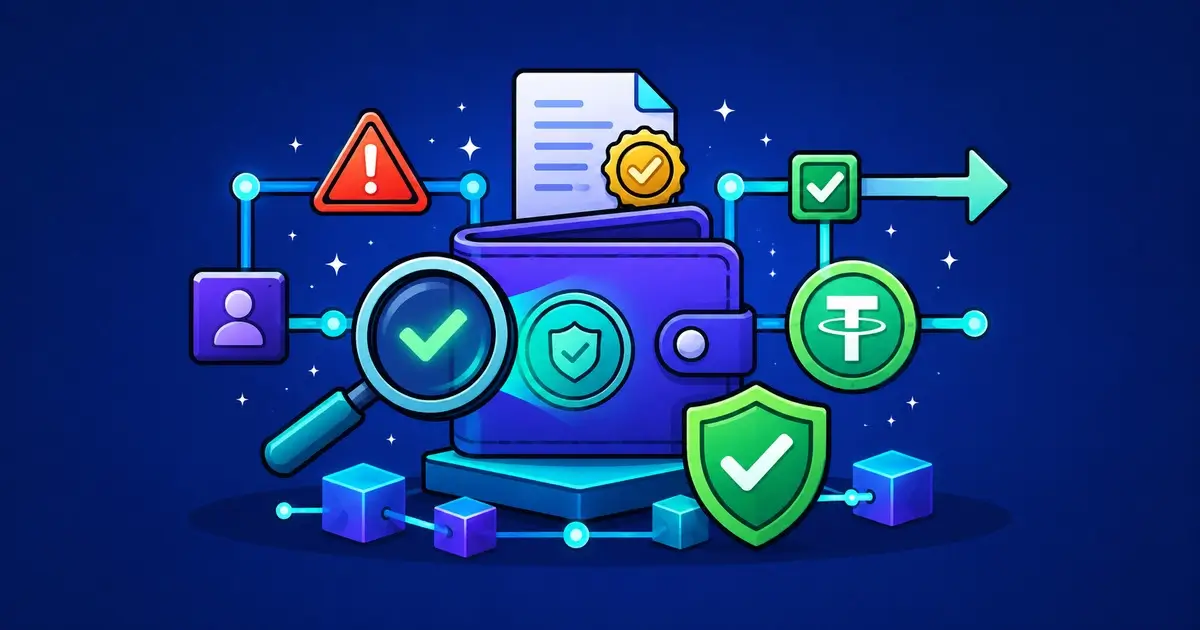
Wallet screening is becoming crypto gambling’s new trust layer because casinos may review not only a player’s identity, but also the wallet and transaction history connected to deposits or withdrawals. In practice, a player can pass KYC and still face payout delays if the wallet, transaction path, or source of funds triggers additional risk checks.
This matters because blockchain settlement can be fast, but platform-level wallet reviews can still slow crypto casino withdrawals. USDT withdrawals, USDC withdrawals, and other stablecoin payments may move quickly once approved, but the casino still controls payout review, AML checks, source-of-funds requests, and transaction monitoring. Related resources include Crypto Casino Withdrawal Times, KYC vs No-KYC Crypto Casinos, and Why KYC at Withdrawal Is Crypto Gambling’s Trust Test.
Key Takeaways
- Wallet screening is becoming a major crypto gambling trust issue
- Casinos may review wallet history as well as user identity
- Clean KYC does not always guarantee instant withdrawals
- USDT and USDC withdrawals can still be delayed by risk checks
- AML, sanctions screening, and source-of-funds reviews may affect payouts
- Blockchain speed does not remove platform-level payout risk
- Trustworthy platforms should clearly explain wallet screening rules
What Happened
Crypto gambling platforms increasingly operate in an environment shaped by AML expectations, transaction monitoring, stablecoin payments, blockchain analytics, and payout transparency.
That means withdrawal reviews are no longer only about identity.
Platforms may also check:
- wallet history
- transaction routes
- exchange exposure
- stablecoin network activity
- source-of-funds signals
- risky counterparties
- suspicious payment behavior
For players, this can feel confusing because crypto payments are often marketed as fast and simple.
👉 In practice, crypto casino withdrawals depend on both blockchain settlement and platform approval.
What Is Wallet Screening?
Wallet screening is the process of reviewing a crypto wallet and its transaction history for risk signals.
A platform may use blockchain analytics or internal risk tools to check whether a wallet appears connected to:
- suspicious transactions
- sanctioned addresses
- high-risk services
- unusual payment flows
- fraud patterns
- unclear source of funds
- risky exchange exposure
Wallet screening does not always mean the player did anything wrong.
It means the platform is reviewing blockchain activity before approving deposits, withdrawals, or account actions.
Why Crypto Casinos Screen Wallets
Crypto casinos screen wallets because crypto transactions are public on-chain, but the risk behind those transactions can be complex.
A wallet may have interacted with:
- exchanges
- mixers
- bridges
- DeFi protocols
- other gambling platforms
- unknown counterparties
- high-risk addresses
Casinos may review this activity to manage AML, fraud prevention, source-of-funds checks, and payout risk.
Why Crypto Casinos Screen Wallets
| Reason | Why It Matters |
|---|---|
| AML Monitoring | Checks whether funds may be connected to risky activity |
| Sanctions Screening | Helps avoid prohibited wallet exposure |
| Source-of-Funds Review | Looks at where deposited crypto may have originated |
| Fraud Prevention | Detects suspicious or unusual transaction behavior |
| Payout Risk Review | May pause withdrawals before funds are sent |
Important context: wallet screening is becoming more common because crypto gambling regulation and payment monitoring are moving closer together.
KYC Checks vs Wallet Risk Checks
KYC checks and wallet screening are related, but they are not the same thing.
KYC focuses on who the player is.
Wallet screening focuses on where the crypto may have come from and how the wallet has been used.
KYC Checks vs Wallet Risk Checks
| Area | KYC Checks | Wallet Risk Checks |
|---|---|---|
| Main Focus | Verifies the player identity | Reviews wallet and transaction history |
| Trigger Point | Signup, limits, withdrawals, or risk review | Deposits, withdrawals, or blockchain risk flags |
| Data Reviewed | Documents, identity, location, account details | Wallet history, transaction paths, risk scoring |
| Player Impact | May delay account approval or payouts | May delay withdrawals even after identity checks |
| Trust Issue | Rules should be clear upfront | Wallet screening policies should also be disclosed |
This is why a player may pass identity verification but still face a withdrawal review.
Why Stablecoin Withdrawals Can Still Be Reviewed
Stablecoins are popular in crypto gambling because they reduce price volatility compared with Bitcoin or Ethereum.
USDT and USDC are commonly used for:
- deposits
- withdrawals
- stable balances
- faster settlement
- easier accounting
- lower volatility
However, stablecoin payments do not remove platform risk.
A stablecoin withdrawal may still be reviewed because of:
- AML alerts
- wallet risk scoring
- source-of-funds questions
- bonus abuse checks
- withdrawal limits
- manual payout review
- suspicious transaction patterns
Related coverage:
- Why Crypto Withdrawals Still Frustrate Users
- Why Stablecoin Rewards Are Crypto’s Next Regulation Battle
- Why Regulators Are Paying More Attention to Stablecoins in 2026
Source-of-Funds Checks and Transaction Monitoring
Source-of-funds checks are reviews that ask where crypto came from before it reached the casino.
A platform may want to understand whether funds came from:
- a personal wallet
- a centralized exchange
- a DeFi protocol
- another gambling site
- a business payment
- an unclear or high-risk source
Transaction monitoring may also continue after signup.
That means a platform may review deposits, withdrawals, repeated transfers, or unusual behavior over time.
👉 In practice, crypto gambling compliance is becoming more risk-based and ongoing.
What Players Should Check Before Depositing
Players should review wallet and withdrawal policies before sending funds.
Player Red Flags Before Depositing
| Red Flag | Why It Matters |
|---|---|
| No Wallet Policy | The casino does not explain wallet screening rules |
| Vague Withdrawal Terms | Players cannot tell when reviews may happen |
| Unclear Source-of-Funds Rules | Requests may appear suddenly during payout |
| Poor Support Communication | Delayed withdrawals are not explained clearly |
| Unresolved Complaints | Repeated payout issues suggest platform risk |
Helpful related guides:
What Trustworthy Platforms Should Disclose
Trustworthy crypto gambling platforms should explain how withdrawals are reviewed.
They should make clear:
- when wallet screening may happen
- whether source-of-funds checks are possible
- how long manual reviews may take
- which networks are supported
- what happens if a wallet is flagged
- how users can contact support
- what documents may be requested
What Trustworthy Platforms Should Disclose
| Disclosure | Why It Matters |
|---|---|
| Wallet Screening Triggers | When deposits or withdrawals may be reviewed |
| Withdrawal Review Time | How long risk checks usually take |
| Source-of-Funds Process | What information may be requested |
| Supported Networks | Which chains and stablecoin networks are accepted |
| Escalation Path | How players can resolve delayed payouts |
Clear disclosure helps players understand the difference between fast blockchain settlement and casino payout approval.
Key Risks Analysts Are Watching
Analysts are watching several wallet-screening risks in crypto gambling:
- vague wallet review policies
- sudden source-of-funds requests
- stablecoin payout delays
- inconsistent risk scoring
- poor support explanations
- unresolved casino complaints
- unclear withdrawal limits
- overreliance on automated screening
Wallet screening may improve compliance and fraud prevention, but it can also damage trust if platforms use it without transparency.
What Happens Next
Wallet screening may become more important as crypto gambling regulation, stablecoin payments, and blockchain analytics mature.
Several trends may shape the market:
- stronger AML expectations
- more stablecoin transaction monitoring
- wider use of blockchain analytics tools
- more source-of-funds reviews
- clearer payout transparency standards
- more user complaints around delayed withdrawals
- stronger pressure on platforms to explain review rules upfront
Related coverage:
- Crypto Security Threats Are Evolving
- Why KYC at Withdrawal Is Crypto Gambling’s Trust Test
- Why Crypto Withdrawals Still Frustrate Users
Important Context
Wallet screening is not automatically unfair.
It can help platforms detect fraud, manage AML risk, and protect users from suspicious activity.
The trust problem appears when:
- screening rules are unclear
- withdrawals are delayed without explanation
- support gives vague answers
- players do not know what triggered review
- source-of-funds requests appear suddenly
- payout timelines are not disclosed
In practice, the issue is not only whether wallet screening exists.
The issue is whether the platform explains it clearly before users deposit.
Final Thoughts
Wallet screening is becoming crypto gambling’s new trust layer because casino risk reviews now extend beyond identity checks. Platforms may review wallet history, source-of-funds signals, transaction monitoring alerts, and stablecoin payment activity before approving withdrawals.
For players, the key lesson is simple: blockchain settlement can be fast, but casino payout approval is still controlled by the platform.
For crypto casinos, the trust signal is also simple: explain wallet screening, withdrawal limits, review timelines, and source-of-funds policies before players deposit.
FAQ
What is wallet screening in crypto gambling?
Wallet screening is the review of a crypto wallet and its transaction history for risk signals before deposits, withdrawals, or account actions are approved.
Why do crypto casinos screen wallets?
Crypto casinos may screen wallets for AML, fraud prevention, sanctions screening, source-of-funds checks, transaction monitoring, and payout risk review.
Can a clean KYC still lead to withdrawal delays?
Yes. A player may pass identity verification but still face withdrawal delays if the wallet or transaction history triggers additional review.
Why are USDT or USDC withdrawals reviewed?
USDT and USDC withdrawals may be reviewed because stablecoin payments can still trigger AML checks, wallet risk scoring, withdrawal limits, or source-of-funds questions.
What are source-of-funds checks?
Source-of-funds checks are reviews where a platform asks where crypto came from before it was deposited or withdrawn.
What should players check before depositing from a wallet?
Players should check wallet screening rules, withdrawal limits, KYC triggers, source-of-funds policies, payout timelines, and complaint history.
What happens next for wallet screening in crypto gambling?
Analysts are watching stronger transaction monitoring, more stablecoin AML checks, clearer wallet-screening disclosures, and more pressure on platforms to explain payout reviews.

World Cup Betting Integrity Warnings Grow
World Cup betting integrity warnings are growing as regulators and sports bodies prepare for suspicious betting reports, prediction-market risks, match-integrity pressure, and safer gambling concerns.

World Cup Crypto Scams Are Already Rising
Official World Cup ticket warnings are already here, and crypto users face an extra layer of risk from fake ticket offers, phishing links, copycat betting sites, and scam tokens tied to tournament hype.

World Cup Betting Faces Prediction Market Threat
The 2026 World Cup is becoming a test case for prediction markets as sports betting, event contracts, regulation, and player safety start to overlap in new ways.