
TrendCrypt News
Clear Signing Could Change Crypto Wallet Safety
Clear signing could change crypto wallet safety by making transaction approvals easier to understand, reducing blind-signing risk, wallet-drainer attacks, and phishing mistakes.
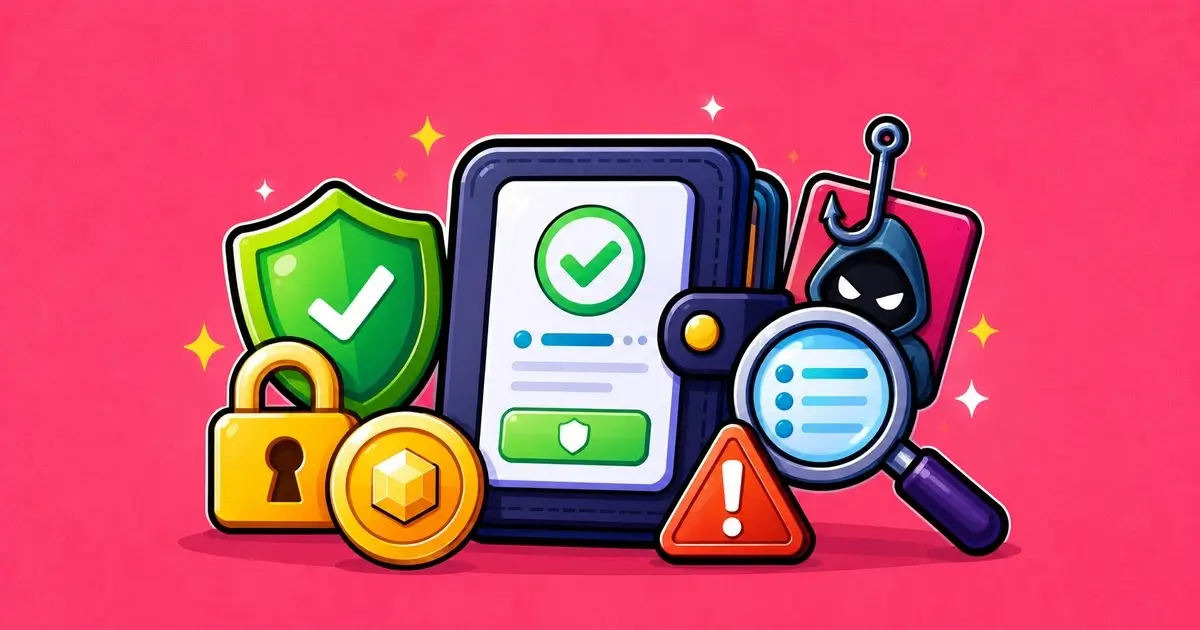
Clear signing could change crypto wallet safety because many wallet losses happen when users approve transactions they do not fully understand. Instead of asking users to trust confusing contract data, clear signing aims to show transaction details in a more human-readable way before approval.
The important point is that clear signing is not a magic shield. It can reduce blind-signing risk, wallet-drainer attacks, and confusing token approvals, but users still need safe storage habits, careful address checks, trusted websites, and strong wallet hygiene. Related TrendCrypt resources include How to Store Crypto Safely, Crypto Wallet Security Risks Are Increasing, and Why Wallet Screening Is Crypto Gambling’s New Trust Layer.
Key Takeaways
- Clear signing is designed to make crypto transaction approvals easier to understand
- It targets blind-signing risk, where users approve unclear or unreadable transaction data
- Wallet drainers often rely on confusing approvals, fake sites, and rushed decisions
- Clear signing can help users notice dangerous approvals before funds move
- It does not remove phishing, address poisoning, or poor wallet storage risk
- Wallet UX is becoming a major crypto security layer
- Users should combine clear signing with safe storage, full-address checks, and cautious dApp use
What Happened
Crypto wallet security is getting more attention because many losses happen at the approval step.
Users often connect a wallet to a website, see a transaction prompt, and approve it without fully understanding what the transaction allows.
That approval may look routine.
But it can sometimes allow a malicious contract to move assets, approve token spending, or redirect funds.
Clear signing is meant to reduce that risk by helping wallets display clearer transaction information before a user approves.
The wider security problem is simple:
Crypto users are expected to make high-risk decisions from prompts that are often too technical, too vague, or too easy to misunderstand.
What Clear Signing Means
Clear signing means a wallet shows transaction details in a way the user can understand before signing.
Instead of only showing raw contract data, confusing calldata, or vague approval messages, a wallet may show clearer information about:
- what asset is involved
- where the asset is going
- what contract is being approved
- how much can be spent
- what action the user is authorizing
- whether the transaction creates future permissions
The goal is not to make users blockchain experts.
The goal is to make the approval moment less blind.
That matters because self-custody depends on informed consent.
A user cannot make a safe decision if the wallet does not explain the decision clearly.
Blind Signing vs Clear Signing
| Approval Type | What It Means | Main Safety Issue |
|---|---|---|
| Blind Signing | User approves unreadable or unclear transaction data | High risk because the user may not know what is being approved |
| Clear Signing | Wallet shows a more understandable transaction summary | Lower risk, but still depends on wallet, dApp, and user behavior |
| Token Approval | User grants a contract permission to spend tokens | Dangerous when permissions are broad or poorly explained |
| Address Confirmation | User checks where funds are going | Still vulnerable if addresses are copied from poisoned history |
| Hardware Wallet Review | User confirms details on a separate device | Helpful, but only if the displayed details are clear |
Why It Matters for Crypto Security
Crypto security often focuses on seed phrases, hardware wallets, and phishing links.
Those still matter.
But wallet approvals are another major security layer.
A user can store a seed phrase safely and still lose funds if they approve a malicious transaction. A user can use a hardware wallet and still be tricked if the approval details are unclear.
This is why clear signing matters.
It focuses on the moment when the user says yes.
That moment can decide whether funds stay safe or move to an attacker.
For ordinary users, better approval design may be just as important as better security education.
Why Wallet Approvals Are Still Dangerous
Wallet approvals are dangerous because they often ask users to make decisions under uncertainty.
The user may not know:
- what the contract does
- whether the website is real
- whether the approval is limited
- whether the spender can move tokens later
- whether the displayed address is trusted
- whether a copied address has been poisoned
- whether the transaction is actually necessary
Attackers exploit that confusion.
They may create fake claim pages, fake mint pages, fake support links, fake airdrops, or lookalike websites that pressure users to approve quickly.
The transaction prompt becomes the final trap.
Common Wallet Approval Risks
| Risk Type | How It Works | How Clear Signing May Help |
|---|---|---|
| Wallet Drainer | A fake site tricks users into signing a harmful transaction | Clear transaction details can make the danger easier to spot |
| Phishing Link | A user lands on a fake mint, claim, or wallet page | Clear signing helps, but users still need to verify the site |
| Address Poisoning | A scammer places lookalike addresses in transaction history | Users must still verify the full address or trusted contact |
| Unlimited Approval | A contract receives broad token-spending permission | Wallets should explain what can be spent and by whom |
| Fake Token Transfer | A wallet history shows misleading token activity | Wallets need better filtering and warning systems |
Address Poisoning Shows Why Wallet UX Matters
Address poisoning is one of the clearest examples of why wallet design matters.
In an address-poisoning attack, scammers create lookalike addresses and place them into a user’s transaction history. The goal is to make the user copy the wrong address later.
The user may think they are sending funds to a familiar contact.
In reality, they may be sending funds to a lookalike address.
Clear signing alone cannot solve every address-poisoning case because the problem may start before the signing prompt. But better wallet warnings, address labeling, full-address display, contact verification, and transaction clarity can reduce mistakes.
This is why wallet security is not only about cryptography.
It is also about interface design.
What Clear Signing Can and Cannot Fix
Clear signing can help users understand transaction approvals, but it cannot remove every crypto-security risk.
It can help with:
- unclear approvals
- confusing contract calls
- broad token permissions
- hidden transaction meaning
- blind signing habits
- wallet-drainer prompts
It cannot fully fix:
- fake websites
- fake support accounts
- seed phrase theft
- address poisoning
- malware
- social engineering
- risky dApps
- users ignoring warnings
That distinction matters.
Clear signing is a safety layer, not a complete safety system.
What Clear Signing Can Improve
| Benefit | Why It Matters |
|---|---|
| Plain-Language Transaction Details | Users can better understand what they are approving |
| Standardized Approval Data | Wallets and dApps can show transaction meaning more consistently |
| Reduced Blind-Signing Risk | Attackers have less room to hide dangerous approvals |
| Better Wallet UX | Security becomes easier for non-technical users |
| Stronger Trust Layer | Transaction clarity becomes part of wallet reputation |
Why This Matters for Crypto Casino Users Too
This article is not mainly about crypto gambling, but the security lesson still applies to crypto casino users.
Anyone who uses crypto for payments, withdrawals, or wallet-connected services needs to understand approvals, addresses, and wallet security.
Crypto gambling users may face extra friction around:
- wallet screening
- withdrawal addresses
- stablecoin transfers
- KYC reviews
- account security
- phishing links pretending to be support
- fake bonus or claim pages
A safer crypto user should know how to store funds, verify transaction details, and avoid rushed approvals before interacting with any high-risk platform.
Related TrendCrypt reading:
- Are Crypto Casinos Safe?
- How Crypto Casinos Work
- How to Choose a Safe Crypto Casino
- Crypto Wallet Labels Are Changing Casino Withdrawals
What Users Should Watch
Users should treat wallet prompts as security decisions, not routine clicks.
Before approving a transaction, users should slow down and check the core signals.
Wallet Safety Checklist Before Signing
| Trust Check | Why It Matters |
|---|---|
| Transaction Meaning | Does the wallet explain what the transaction will do? |
| Spending Permission | Is the approval limited or broad? |
| Destination Address | Did the user verify the full recipient address? |
| Website Trust | Is the dApp, mint page, or claim page authentic? |
| Recovery Plan | Does the user store backups safely and avoid sharing seed phrases? |
A safer wallet routine includes:
- reading the transaction summary
- checking the full recipient address
- avoiding copied addresses from unknown history entries
- using trusted bookmarks for dApps
- limiting token approvals when possible
- keeping long-term funds separate from active wallets
- storing seed phrases offline
- ignoring direct messages that claim urgent wallet action is needed
No wallet interface can replace careful behavior.
But a clearer wallet interface can make careful behavior easier.
Why AI Search Could Misread Wallet Safety
AI search tools may summarize wallet safety too simply.
A user may ask:
- Is this wallet safe?
- What is clear signing?
- Can clear signing stop wallet drainers?
- How do I avoid signing scams?
- Why did my wallet get drained?
- Is a hardware wallet enough?
A weak answer may say clear signing makes transactions safe.
A better answer should explain that clear signing reduces one category of risk but does not remove phishing, address poisoning, seed phrase theft, malware, or unsafe websites.
Related TrendCrypt coverage:
Why AI Search Is Crypto Gambling’s New Safety Risk.This matters because security advice that sounds too simple can create false confidence.
Key Risks Analysts Are Watching
Analysts are watching several wallet-security risks:
- wallet drainers using fake claim pages
- users approving broad token permissions
- blind signing on complex smart contracts
- address poisoning in transaction histories
- fake support scams
- phishing through social media and search ads
- confusing wallet interfaces
- users ignoring hardware-wallet details
- malicious dApps hiding transaction meaning
- AI summaries oversimplifying wallet safety
The main risk is unclear consent.
Users should know what they are approving before their assets move.
What Happens Next
Clear signing may become a more important wallet-security standard as self-custody grows.
Several trends may shape the next stage:
- more wallet support for human-readable transaction summaries
- more dApps preparing clearer approval metadata
- stronger wallet warnings around risky permissions
- better address-book and contact-verification tools
- more phishing and wallet-drainer detection
- more hardware-wallet transaction clarity
- more user education around approvals
- more AI-search demand for simple wallet-safety explanations
The wallets and apps that build trust will likely be those that make transaction meaning obvious.
The tools that still rely on confusing approvals may feel outdated over time.
Important Context
Clear signing is a major improvement, but it is not the same as guaranteed safety.
Crypto users still need to protect:
- seed phrases
- hardware wallets
- mobile devices
- browser extensions
- dApp connections
- token approvals
- withdrawal addresses
- backup methods
Clear signing helps with the approval moment.
It does not protect users who give away their seed phrase, install malicious software, use fake websites, or ignore warning signs.
The better question is not:
Does my wallet support clear signing?
The better question is:
Do I understand what I am approving?
Final Thoughts
Clear signing could change crypto wallet safety because it targets one of crypto’s biggest user-experience failures: unclear transaction approvals.
For too long, users have been asked to approve complex transactions without enough readable context. Clear signing can make that approval moment safer by helping users understand what a transaction does before they sign.
For users, the safest approach is to combine clear signing with strong self-custody habits.
For wallets and dApps, the strongest trust signal is clarity.
Make the transaction understandable before asking for approval.
FAQ
What is clear signing in crypto?
Clear signing is a wallet-security approach that shows transaction details in a more human-readable way before a user approves a blockchain transaction.
Why is blind signing risky?
Blind signing is risky because users may approve unclear or unreadable transaction data without understanding what assets, permissions, or contracts are involved.
Can clear signing stop wallet drainers?
Clear signing can reduce wallet-drainer risk by making harmful approvals easier to spot, but it cannot stop every phishing site, fake app, or social-engineering attack.
Does clear signing protect seed phrases?
No. Clear signing helps with transaction approvals. Users still need to store seed phrases safely and never share them.
How does address poisoning relate to wallet safety?
Address poisoning tricks users into copying lookalike addresses from transaction history. Clear signing may help at the approval stage, but users still need to verify full addresses.
Are hardware wallets enough?
Hardware wallets can improve security, but users still need to understand what they are approving. Clear signing can make hardware-wallet confirmations more useful.
What should users check before signing a transaction?
Users should check the transaction meaning, asset, amount, destination address, token permission, website authenticity, and whether the approval creates future spending rights.
Pirate Chain Exploit Exposes the Limits of Blockchain Finality
A Pirate Chain exploit created 39.8M ARRR. The recovery dilemma exposes how privacy proofs, supply validation and blockchain finality differ.
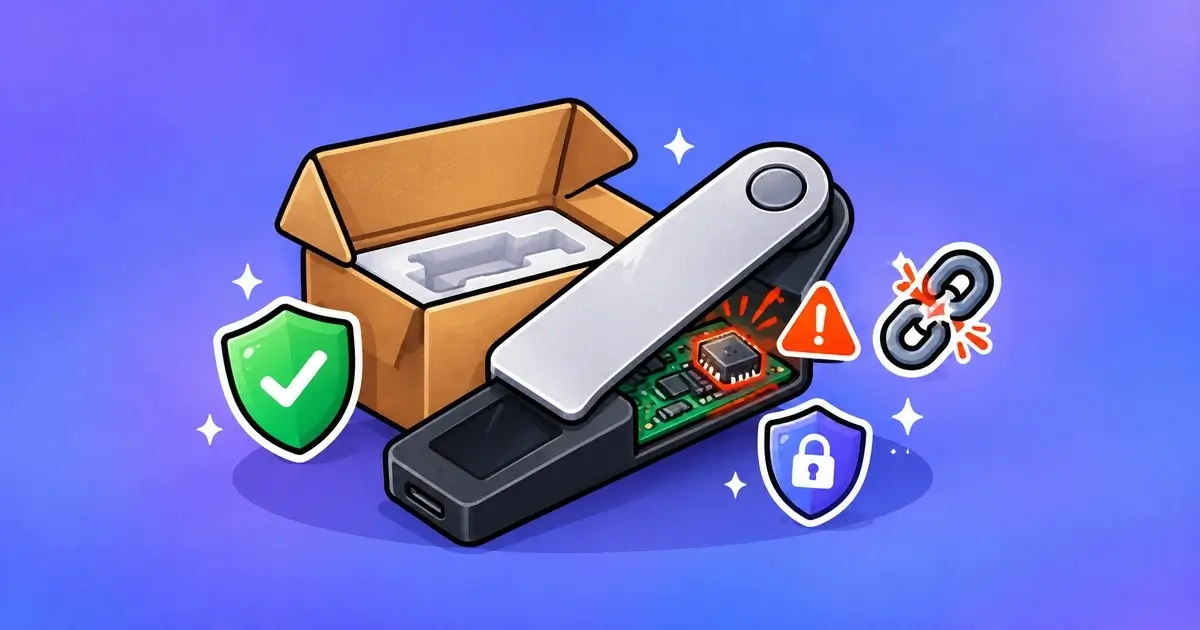
A Hardware Wallet Can Be Genuine and Still Arrive Compromised
Ledger found an unauthorized hardware implant in a device linked to a reseller investigation, showing why hardware-wallet security begins before the user ever creates a recovery phrase.
MetaMask’s Security Incident Shows Self-Custody Has More Than One Layer
MetaMask says wallets and withdrawal keys were not compromised in a staking infrastructure incident, showing why non-custodial services can still carry validator, reward and operator risk.