
TrendCrypt News
AI Phishing Raises Crypto Wallet Risk
AI phishing is raising crypto wallet security risk as fake support chats, deepfake-style impersonation, malicious links, wallet drainers, and poisoned search results become harder to spot.
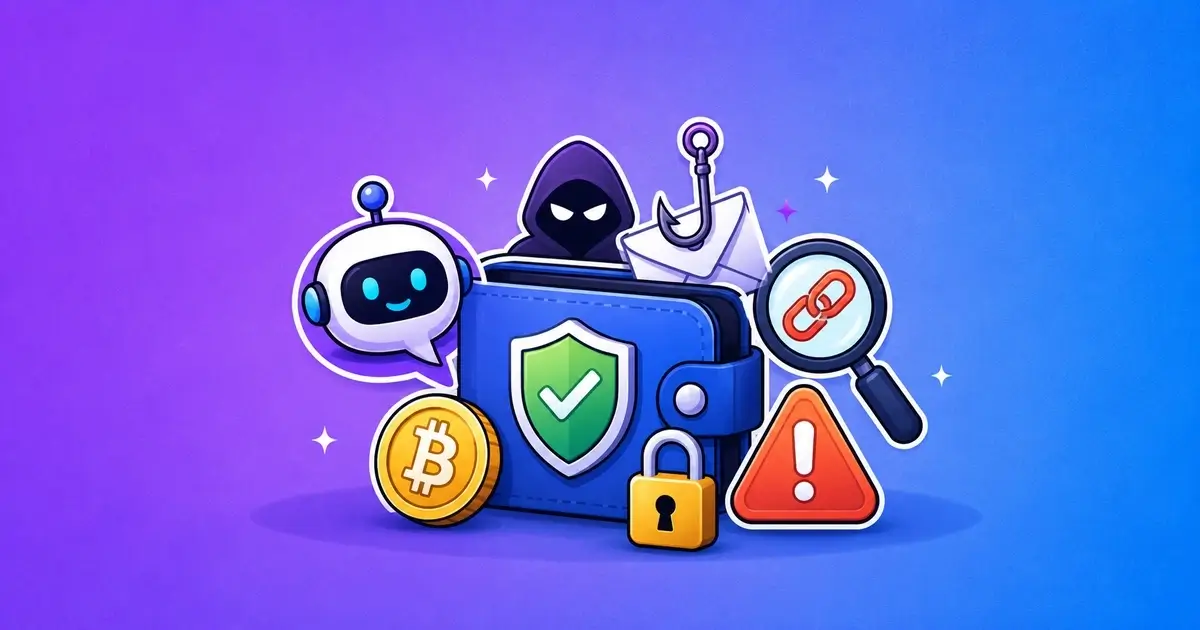
AI phishing is raising crypto wallet security risk because scams are becoming easier to personalize, polish, and scale. Fake support chats, deepfake-style impersonation, AI-written phishing pages, malicious search results, fake downloads, and wallet-drainer links can make dangerous requests look more professional than older crypto scams.
The important issue is not that AI creates a completely new type of theft. The issue is that AI can make old scam patterns faster, cleaner, and more convincing. Crypto users need safer wallet habits, clearer transaction approvals, stronger source checking, and better self-custody routines. Related TrendCrypt resources include How to Store Crypto Safely, Clear Signing Could Change Crypto Wallet Safety, and Crypto Wallet Security Risks Are Increasing.
Key Takeaways
- AI phishing can make crypto scams more polished, personalized, and harder to detect
- Fake support chats, malicious links, deepfake-style clips, and fake wallet pages are major risks
- Wallet drainers often rely on users approving transactions they do not understand
- Clear signing can help, but it does not replace careful website and address checks
- Users should never share seed phrases or recovery words with anyone
- Search results, ads, and AI-generated summaries can still lead users toward risky pages
- Self-custody safety now depends on both wallet tools and slower user decisions
What Happened
Crypto scams are becoming more automated and more believable.
Attackers no longer need to rely only on poorly written messages or obvious fake pages. AI tools can help scammers create cleaner copy, more convincing support scripts, realistic impersonation content, and better-targeted phishing campaigns.
That matters because crypto users often make security decisions quickly.
A user may:
- search for wallet support
- click a sponsored-looking result
- follow a fake social post
- open a copied website
- connect a wallet
- approve a transaction
- download a fake tool
- trust a realistic support chat
Each step may feel normal.
But one rushed approval or one fake download can be enough to put funds at risk.
Why AI Phishing Matters for Crypto Users
AI phishing matters because crypto transactions are usually final.
If a bank user clicks a scam link, there may be chargeback paths, fraud teams, or account recovery steps. Crypto users often have fewer options after funds move from a wallet.
That makes prevention more important.
AI can make prevention harder by improving the scammer’s presentation.
A fake page may look cleaner.
A fake message may sound more helpful.
A fake support chat may answer questions smoothly.
A fake video may appear more believable.
A fake download page may rank or appear in discovery paths.
The scam still depends on user action, but the trap can look more trustworthy.
How AI Can Make Crypto Phishing More Convincing
| Scam Pattern | What Users May See | Wallet Security Risk |
|---|---|---|
| Fake Support Chat | User thinks they are speaking with help staff | Scammer can push urgent wallet actions or malicious links |
| AI-Written Phishing Page | Fake page looks cleaner and more believable | Users may trust professional wording and design |
| Deepfake-Style Impersonation | Scammer imitates a founder, exchange, or public figure | Authority signals can make fake offers feel real |
| Malicious Search Result | Fake download or wallet page appears during research | Users may click before checking the source carefully |
| Wallet-Drainer Link | User is asked to connect and approve a transaction | Funds can move after a harmful approval |
Why Wallet Approvals Are the Critical Moment
Many crypto scams reach their final step inside the wallet.
The user may think they are:
- claiming a reward
- verifying an account
- connecting to support
- confirming ownership
- updating wallet access
- approving a normal transaction
- signing into a service
But the transaction may actually create a dangerous approval, transfer an asset, or allow a malicious contract to interact with funds.
That is why wallet approvals are the critical moment.
AI may help the scammer write the message, build the page, or guide the user. But the wallet prompt is often where the user gives the final permission.
Related TrendCrypt reading:
Clear Signing Could Change Crypto Wallet Safety.The New Risk Is Polished Deception
Older crypto scams were often easier to spot because they looked rushed, broken, or poorly written.
AI can reduce those warning signs.
A phishing page may now include:
- clean grammar
- realistic instructions
- professional-looking support language
- copied brand tone
- personalized messages
- believable troubleshooting steps
- fewer obvious spelling mistakes
- more convincing urgency
That does not mean every polished page is safe.
It means users need to judge the source, not only the presentation.
A scam can look professional and still be dangerous.
Crypto Wallet Risks AI Phishing Can Trigger
| Risk Type | How It Happens | Why It Matters |
|---|---|---|
| Seed Phrase Theft | Scammer asks for recovery words | No legitimate support flow should ask for a seed phrase |
| Malicious Approval | User signs a transaction that grants dangerous permissions | Clear signing and careful review can reduce risk |
| Address Poisoning | Scammer plants lookalike addresses in wallet history | Users must verify full addresses, not only the start and end |
| Fake Airdrop Claim | User is pushed to claim a reward quickly | Urgency can hide wallet-drainer behavior |
| Fake Wallet Download | User installs a malicious app or browser extension | Official sources and device hygiene matter |
Why Search and AI Discovery Add Risk
Crypto users often rely on search engines, social platforms, and AI tools when they need fast help.
That can create another risk layer.
A user may search:
- wallet support
- failed transaction help
- token claim page
- bridge support
- wallet extension download
- airdrop eligibility
- crypto recovery service
Scammers may try to appear in those discovery paths through fake pages, malicious ads, copied domains, or poisoned content.
AI discovery can make the problem harder because users may treat generated answers or summarized links as neutral.
The safer habit is simple:
Do not treat discovery as verification.
A result appearing in search, social media, or an AI answer does not automatically make it safe.
Related coverage:
Why AI Search Is Crypto Gambling’s New Safety Risk.What Safer Wallet Behavior Looks Like
Wallet security is not only about choosing a wallet.
It is about behavior.
A safer user routine includes:
- using trusted bookmarks
- verifying domains
- avoiding links from direct messages
- reading wallet prompts slowly
- checking full addresses
- separating long-term storage from active wallets
- reviewing token approvals
- storing seed phrases offline
- ignoring anyone who asks for recovery words
- testing unfamiliar flows with small amounts when appropriate
This is where security guides still matter.
Crypto users need habits that work even when scams look professional.
Helpful resource:
How to Store Crypto Safely.Wallet Safety Habits That Still Matter
| Safety Habit | Why It Helps |
|---|---|
| Clear Signing | Makes wallet approvals easier to understand before signing |
| Trusted Bookmarks | Reduces the chance of landing on copied phishing pages |
| Separate Wallets | Limits damage if an active wallet is compromised |
| Full Address Checks | Helps reduce address-poisoning mistakes |
| Offline Backup Storage | Protects recovery phrases from phishing and malware |
Why Clear Signing Helps But Is Not Enough
Clear signing can make crypto wallet approvals easier to understand.
That is a major improvement.
If a wallet can explain what a transaction does before the user signs, it becomes harder for attackers to hide harmful permissions behind confusing data.
But clear signing is not a complete solution.
It does not automatically stop:
- fake websites
- fake support chats
- seed phrase theft
- fake downloads
- device malware
- address poisoning
- social engineering
- users ignoring warnings
Clear signing improves the approval moment.
Users still need to verify the source before reaching that moment.
How This Connects to Crypto Casino and Wallet Screening Risk
This article is not mainly about gambling, but the safety lesson applies to any user who moves crypto across platforms.
Crypto casino users, DeFi users, NFT collectors, and stablecoin users all depend on wallet security.
A user may face risks from:
- fake casino support links
- fake withdrawal help pages
- fake bonus claim pages
- malicious wallet approvals
- copied deposit addresses
- wallet-drainer links in social posts
- phishing pages pretending to solve KYC or withdrawal problems
That is why wallet safety and platform trust are connected.
Related TrendCrypt resources:
- Why Wallet Screening Is Crypto Gambling’s New Trust Layer
- Crypto Wallet Labels Are Changing Casino Withdrawals
- Are Crypto Casinos Safe?
- How Crypto Casinos Work
What Users Should Watch
Users should treat every urgent wallet request as suspicious until verified.
Before clicking, signing, downloading, or connecting a wallet, users should check the basic signals.
AI Phishing Safety Checklist
| Trust Check | Why It Matters |
|---|---|
| Who Initiated Contact? | Unexpected support messages or DMs should be treated carefully |
| What Is Being Requested? | Seed phrases, urgent approvals, and downloads are major red flags |
| Is The Domain Authentic? | Fake sites often copy branding while using lookalike domains |
| What Will The Transaction Do? | Wallet approvals should be understandable before signing |
| Can You Verify Elsewhere? | Important requests should be checked through official channels |
A safer process is to pause before acting.
Scammers often rely on speed, panic, excitement, or confusion.
Common pressure signals include:
- limited-time claims
- urgent account warnings
- fake support deadlines
- sudden airdrop messages
- “verify now” prompts
- recovery-service promises
- direct messages from fake staff
- requests to install unknown tools
When money is involved, slowing down is a security tool.
Why AI Search Could Misread Crypto Security
AI search tools may summarize crypto safety too simply.
A user may ask:
- How do I recover a wallet?
- Is this wallet support page real?
- Why did my transaction fail?
- Can I claim this airdrop?
- Is this wallet download safe?
- How do I stop a wallet drainer?
- What is clear signing?
A weak answer may provide general advice without enough warning about impersonation, fake links, or malicious downloads.
A better answer should explain that crypto security depends on verified sources, safe signing, address checks, offline seed storage, and avoiding urgent support-style requests.
This matters because the user may be asking during a stressful moment.
A simple answer can accidentally create false confidence.
Key Risks Analysts Are Watching
Analysts are watching several AI-enabled crypto security risks:
- fake support bots
- AI-written phishing pages
- deepfake-style impersonation
- malicious search ads
- fake wallet downloads
- wallet-drainer links
- address-poisoning attacks
- recovery scam services
- fake airdrop campaigns
- AI summaries that miss source-verification risk
The main risk is trust confusion.
AI can make scams look more legitimate, while crypto transactions leave little room for mistakes.
What Happens Next
AI phishing is likely to keep evolving as attackers test new ways to reach crypto users.
Several trends may shape the next stage:
- more realistic support impersonation
- more fake wallet and dApp pages
- more malicious ads around urgent searches
- more deepfake-style promotion scams
- more wallet-drainer pages with cleaner UX
- stronger wallet warnings
- more clear-signing adoption
- better scam detection in browsers and wallets
- more user education around AI-generated deception
The tools that build trust will likely be those that make verification easier.
The users who stay safest will be those who treat polished messages with caution.
Important Context
AI phishing is not magic.
Scammers still need users to click, download, connect, approve, or share sensitive information.
That means users still have power.
The safest question is not:
Does this message look real?
The better question is:
Can I verify this request through an official source before taking action?
Crypto security is becoming less about spotting bad grammar and more about verifying intent.
Final Thoughts
AI phishing is raising crypto wallet security risk because scams are becoming more polished and more personal.
A fake support chat, fake claim page, fake wallet download, or malicious approval may look more professional than users expect. That makes wallet safety, clear signing, trusted bookmarks, offline backups, and full-address checks more important.
For users, the safest approach is to slow down before every wallet action.
For wallets and crypto apps, the strongest trust signal is clarity.
Make dangerous actions obvious before users sign.
FAQ
What is AI phishing in crypto?
AI phishing in crypto means scammers use AI tools to create more convincing fake messages, support chats, websites, impersonation content, or malicious prompts that target wallet users.
Why is AI phishing dangerous for wallet users?
AI phishing is dangerous because crypto transactions are usually irreversible. A convincing fake page or support message can lead users to sign harmful approvals or reveal sensitive information.
Can AI phishing drain a wallet directly?
AI does not drain a wallet by itself. The risk usually comes when a user clicks a malicious link, connects a wallet, signs a harmful transaction, downloads malware, or shares recovery information.
What are wallet drainers?
Wallet drainers are phishing tools designed to trick users into approving transactions or permissions that allow attackers to move assets from a wallet.
Can clear signing stop AI phishing?
Clear signing can reduce some risks by making transaction approvals easier to understand, but it cannot stop every fake website, fake support message, malicious download, or social-engineering attack.
What should users never share?
Users should never share seed phrases, recovery words, private keys, or wallet backup files. Legitimate support teams should not ask for them.
How can users reduce AI phishing risk?
Users can reduce risk by using trusted bookmarks, verifying domains, avoiding direct-message links, reading wallet prompts carefully, checking full addresses, separating storage wallets from active wallets, and storing backups offline.
Bitcoin Miners Are Becoming AI Power Companies
Hut 8’s role in Anthropic’s huge AI expansion shows why grid connections, land and power infrastructure may become more valuable than Bitcoin mining itself.
Crypto Defenders Say AI Safety Rules Are Helping Attackers
Bitcoin and crypto firms say frontier AI restrictions can leave open-source defenders with weaker security tools than attackers, exposing a difficult cyber safety trade-off.
AI Agents Are Starting to Pay With Stablecoins
Coinbase is letting businesses accept x402 payments from AI agents, testing whether stablecoins can become the payment rail for autonomous software and APIs.