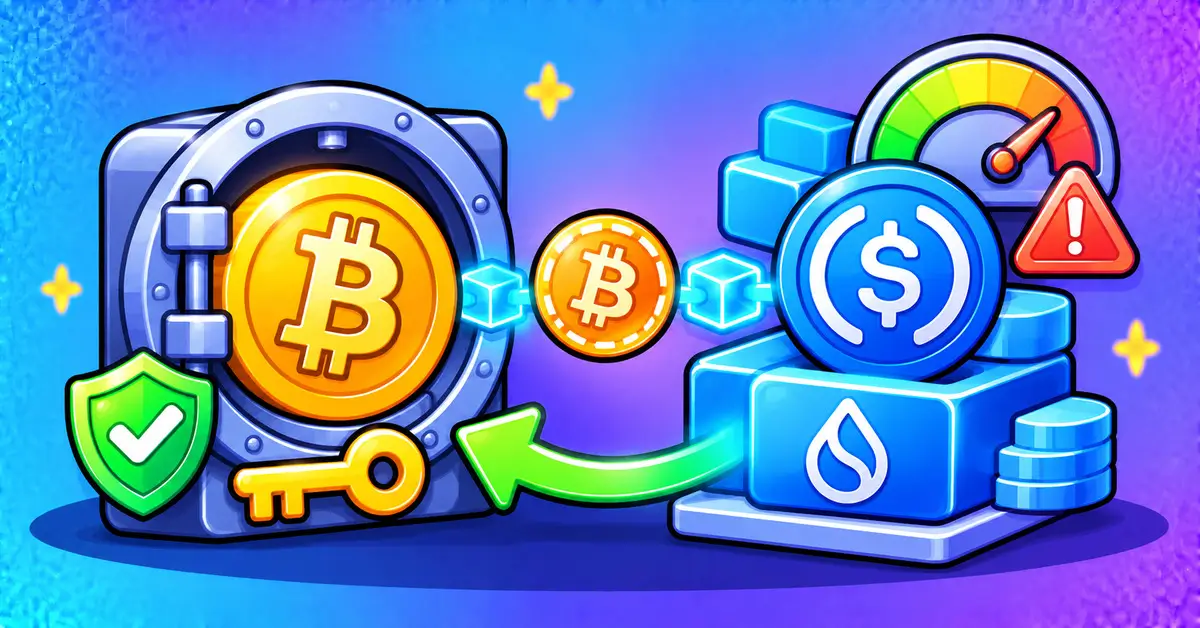
Sui’s Hashi Opens Bitcoin-Backed USDC Loans. Who Holds the BTC?
Bitcoin stays on its own network when you borrow USDC against hBTC on Sui. Here’s who controls the coins, when liquidation can happen and how to get BTC back.

News Category
Explore TrendCrypt news in the defi category, including crypto casino updates, blockchain developments, and related industry stories.
Bitcoin stays on its own network when you borrow USDC against hBTC on Sui. Here’s who controls the coins, when liquidation can happen and how to get BTC back.
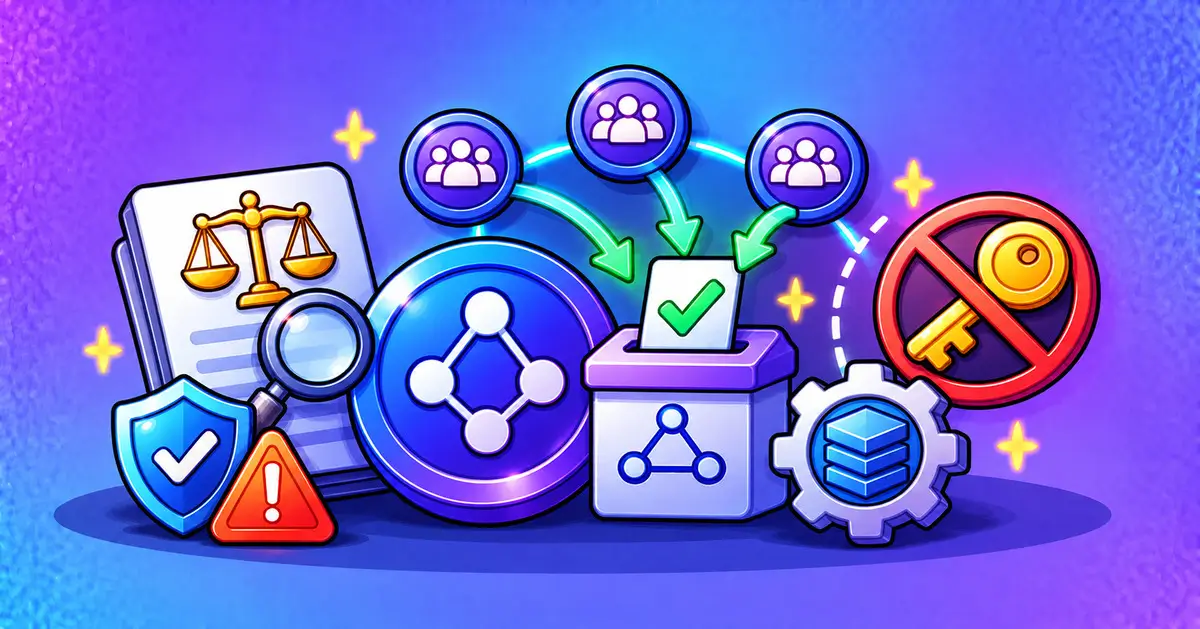
SEC staff clarified when DAO governance voters count as a controlling group. Here's why independent voting, network control and token utility matter.
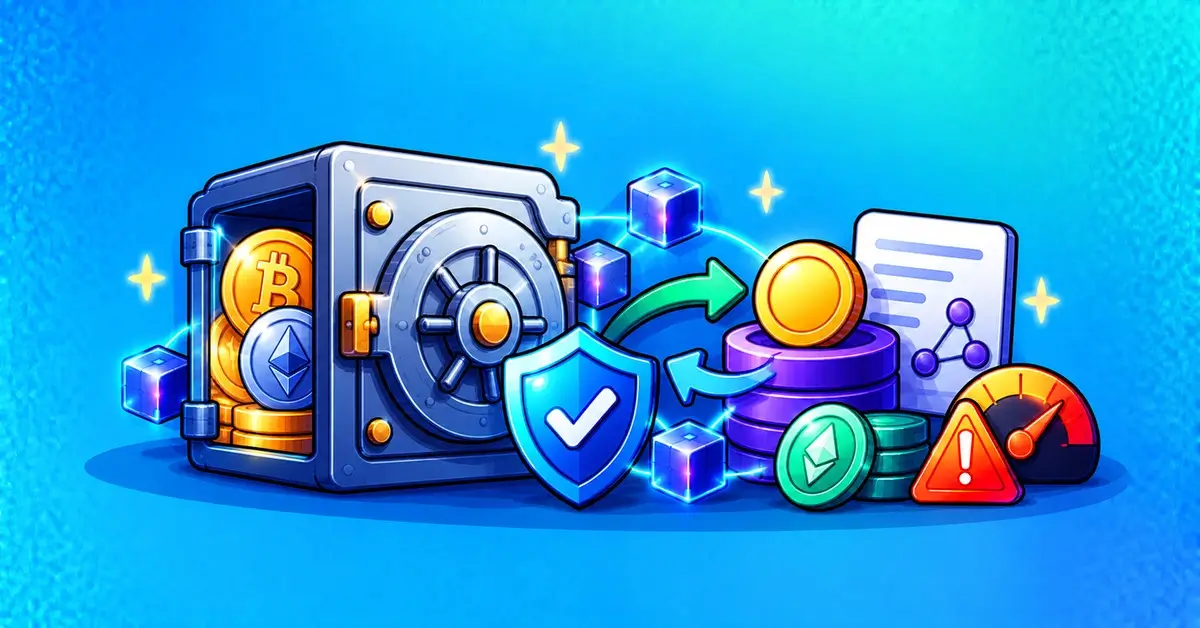
Chainlink CustodySync connects Anchorage custody to DeFi lending. Learn how proof of reserves, collateral tokens and liquidations work without moving crypto.
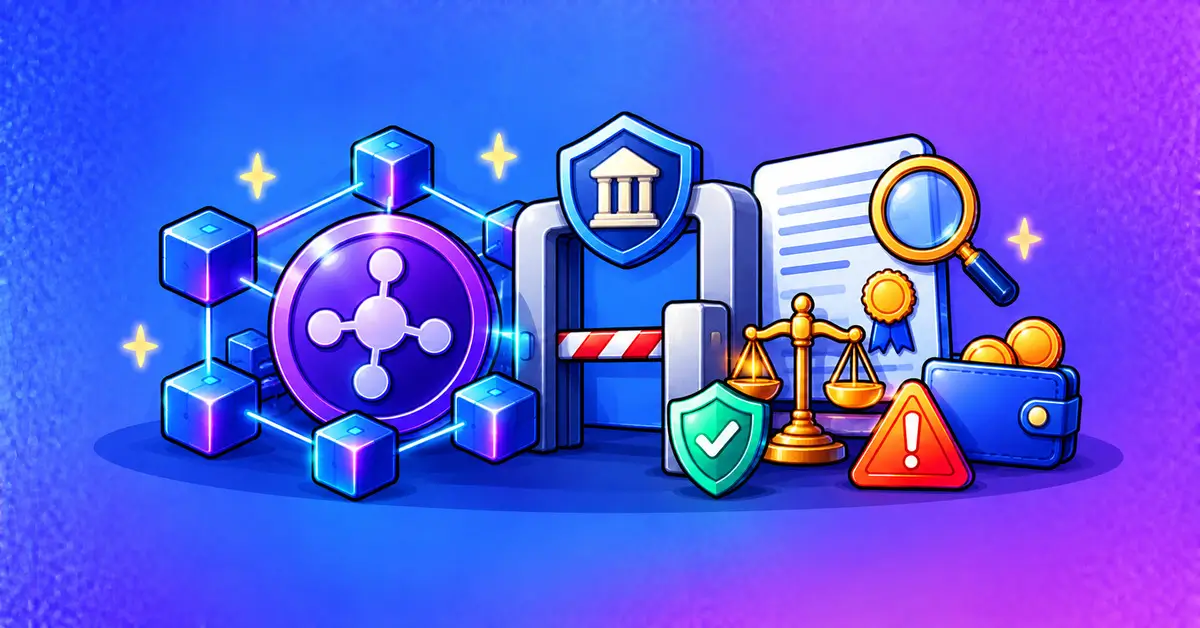
France proposes new MiCA rules for DeFi intermediaries, protocol certification and liability. Here is what could change for users and platforms.
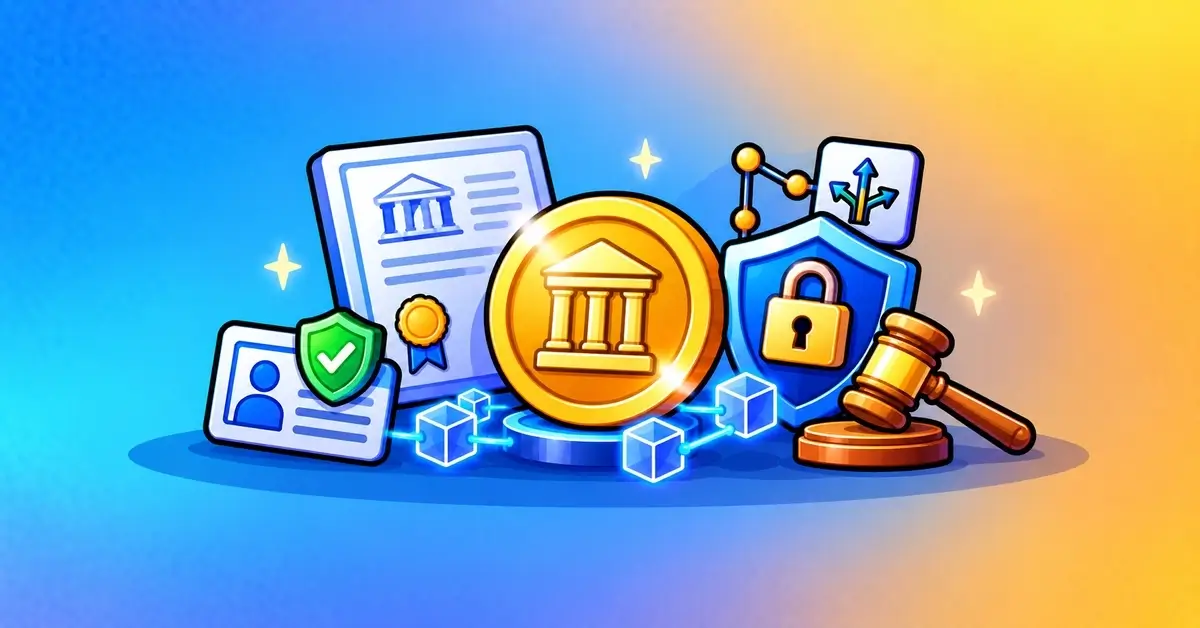
Base’s Cobalt upgrade puts transfer policies, issuer controls and corporate actions directly into token infrastructure, showing why regulated assets can live onchain without becoming permissionless crypto.
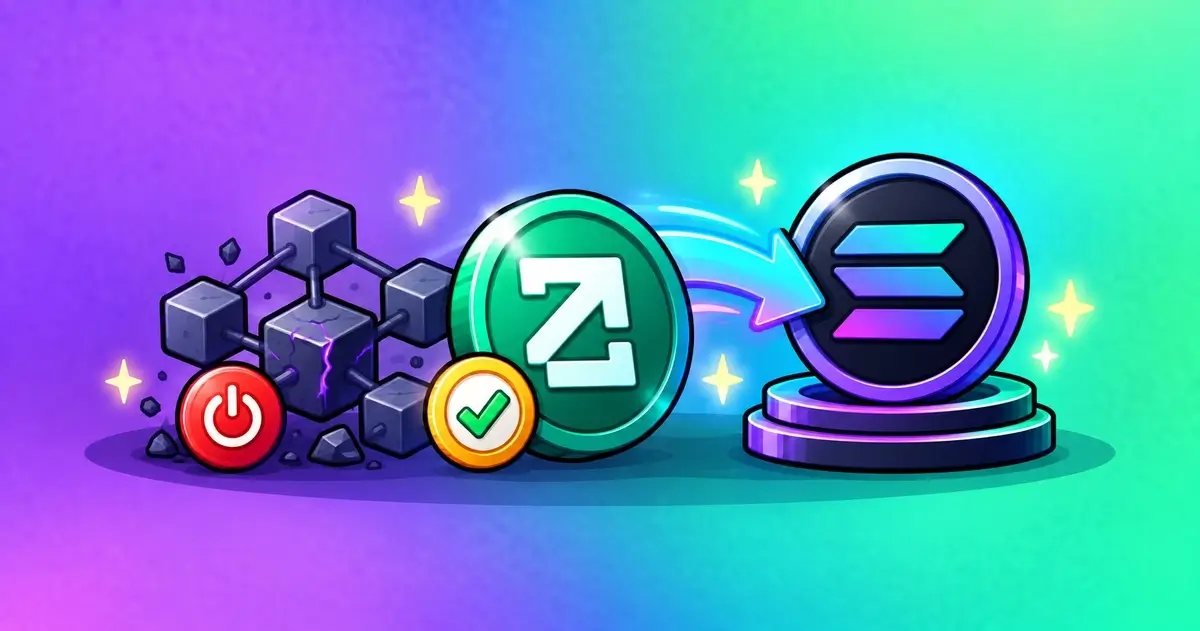
ZetaChain holders approved winding down the project’s Layer 1 and moving ZETA to Solana, testing when maintaining an independent blockchain stops making economic sense.

Cronos stopped and restored its blockchain after a Tectonic exploit, showing why DeFi needs emergency controls without making decentralization meaningless.
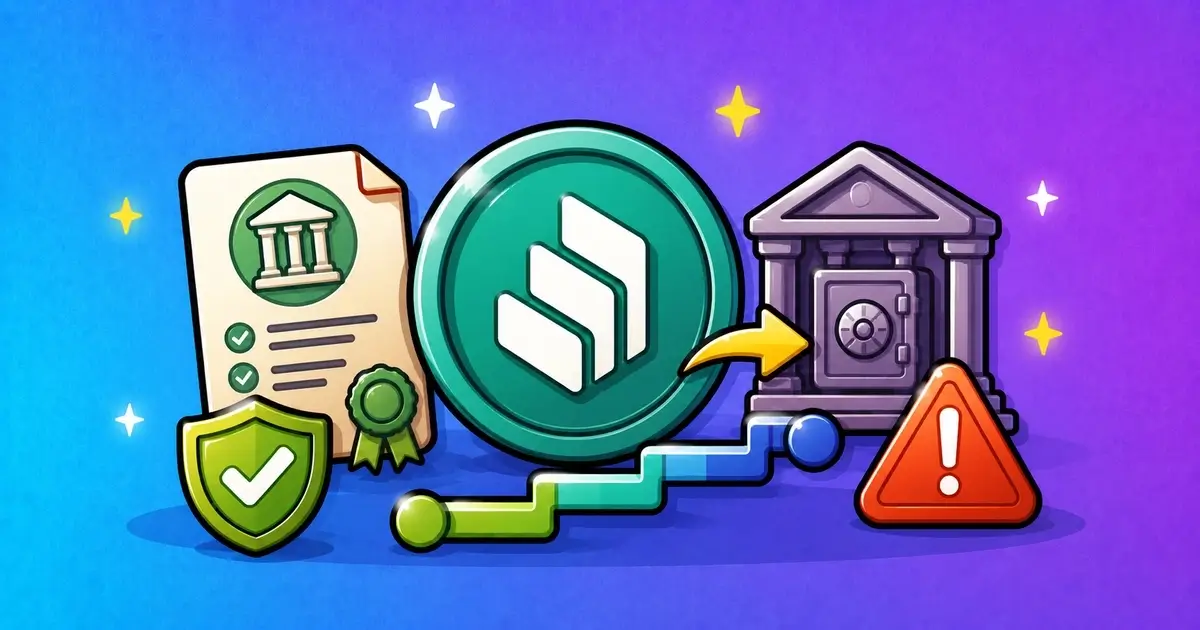
Compound approved a $52 million, milestone-based development plan focused on institutional credit, testing whether older DeFi protocols can find a second growth model.
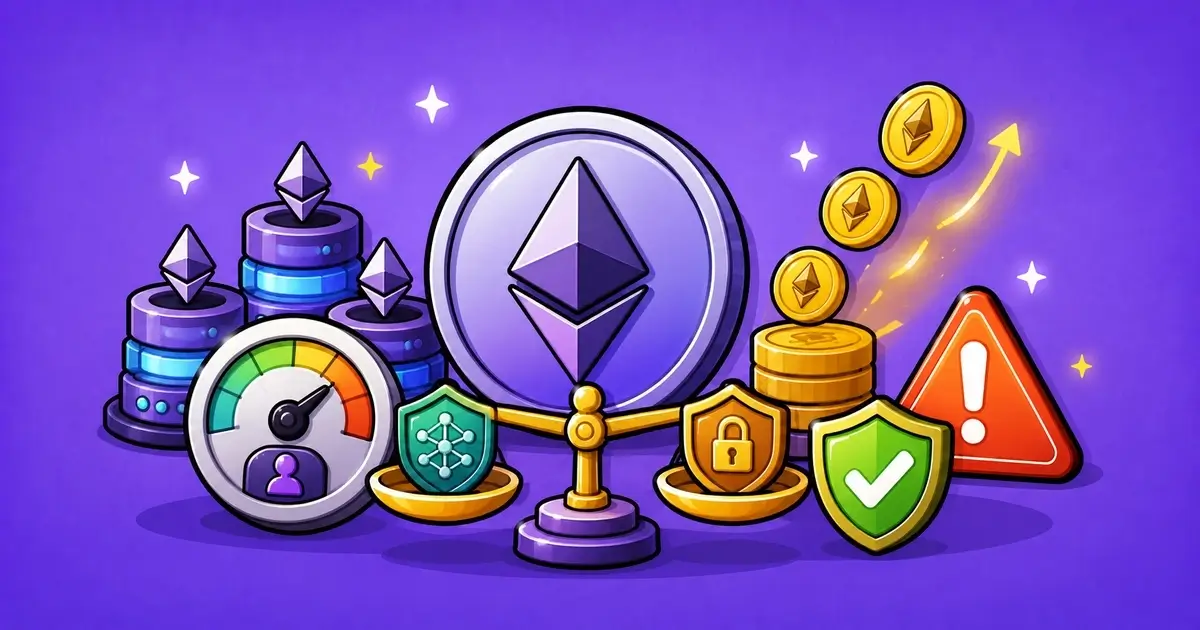
Ethereum is debating whether growing staking participation justifies continued ETH issuance, as EIP-8363 reopens questions about rewards, security and decentralization.
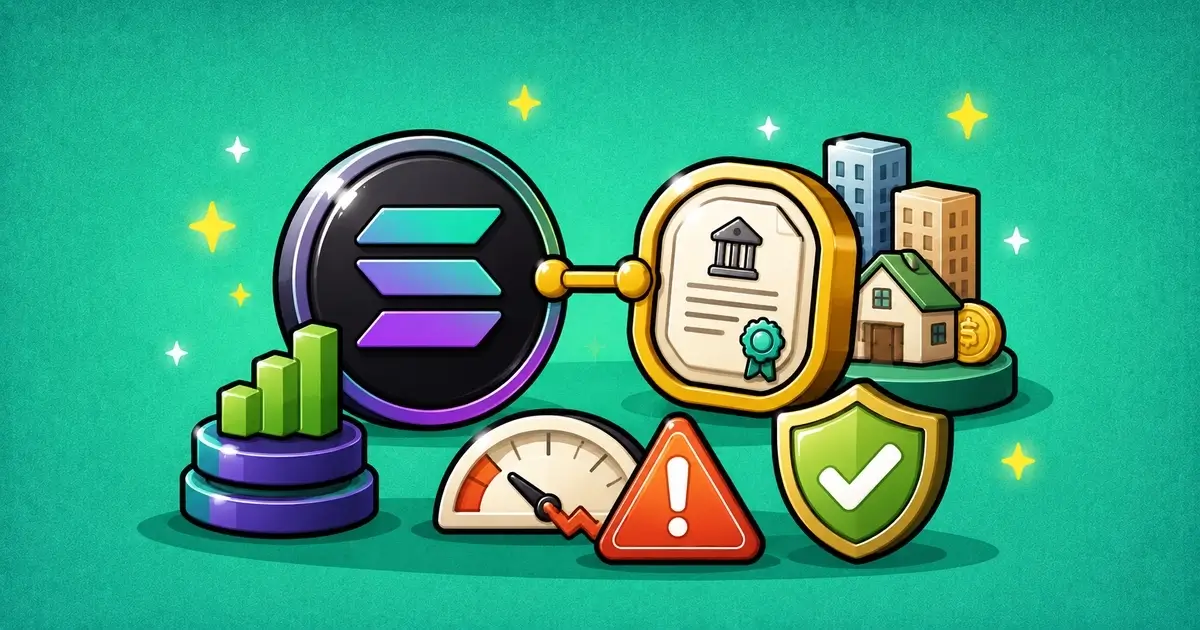
Solana’s real-world assets reached $3.73 billion, but falling fees and DEX activity show why tokenization still needs to prove it can create durable demand.
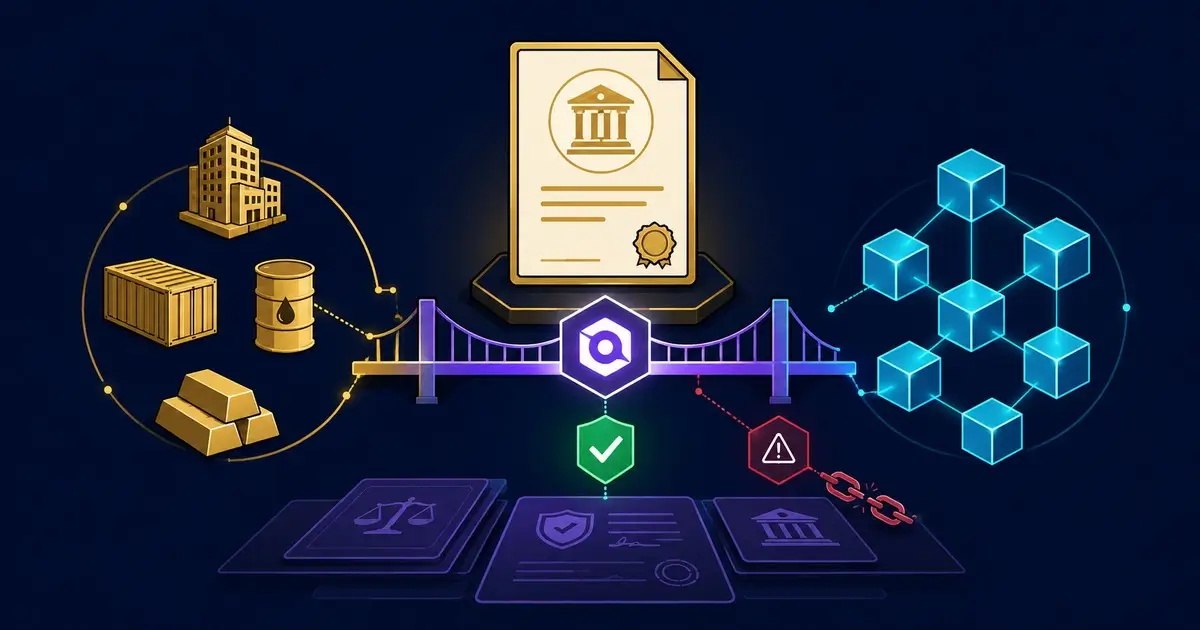
RWA tokenization is growing, but real-world assets still need reliable data, custody records, legal rights, proof of reserves, and oracle infrastructure before they can scale safely on-chain.
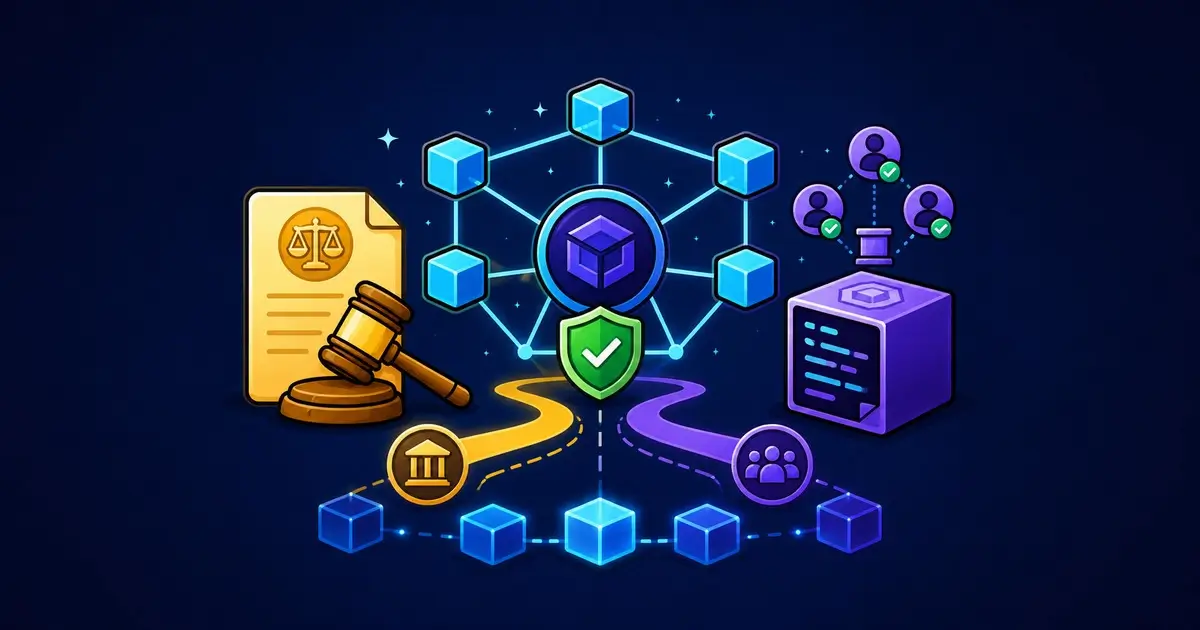
DeFi regulation is increasingly focused on what decentralization actually means, including protocol control, front ends, smart contracts, governance, compliance, and market structure.
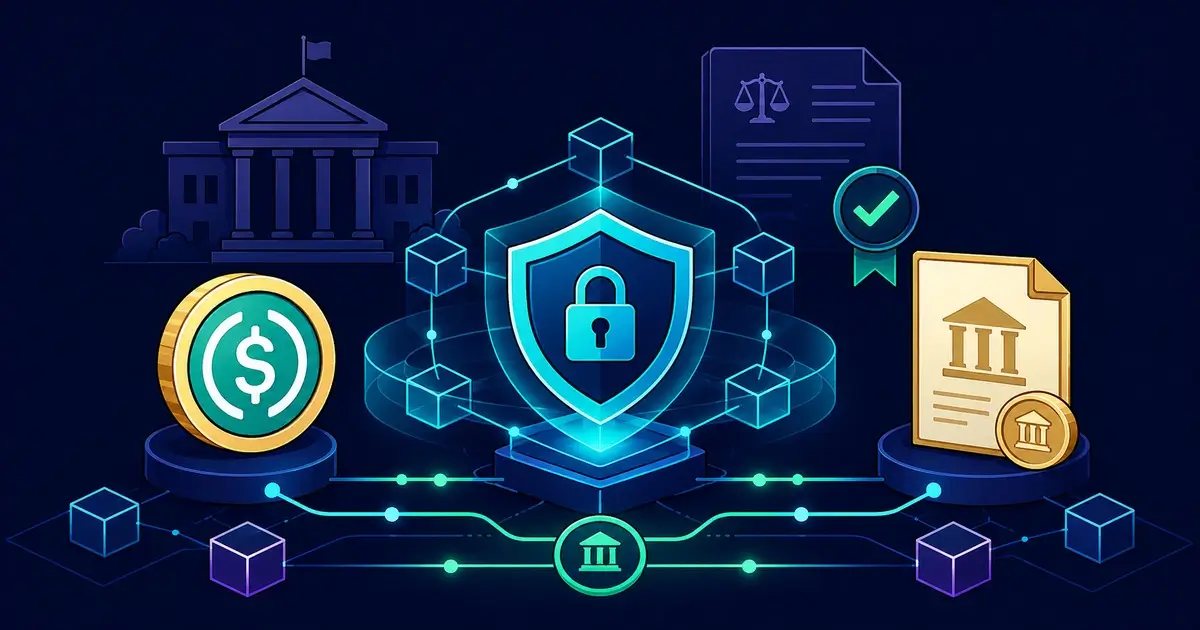
Crypto privacy is becoming important again as institutions explore selective privacy for stablecoin settlement, tokenized assets, enterprise payments, and compliant on-chain finance.